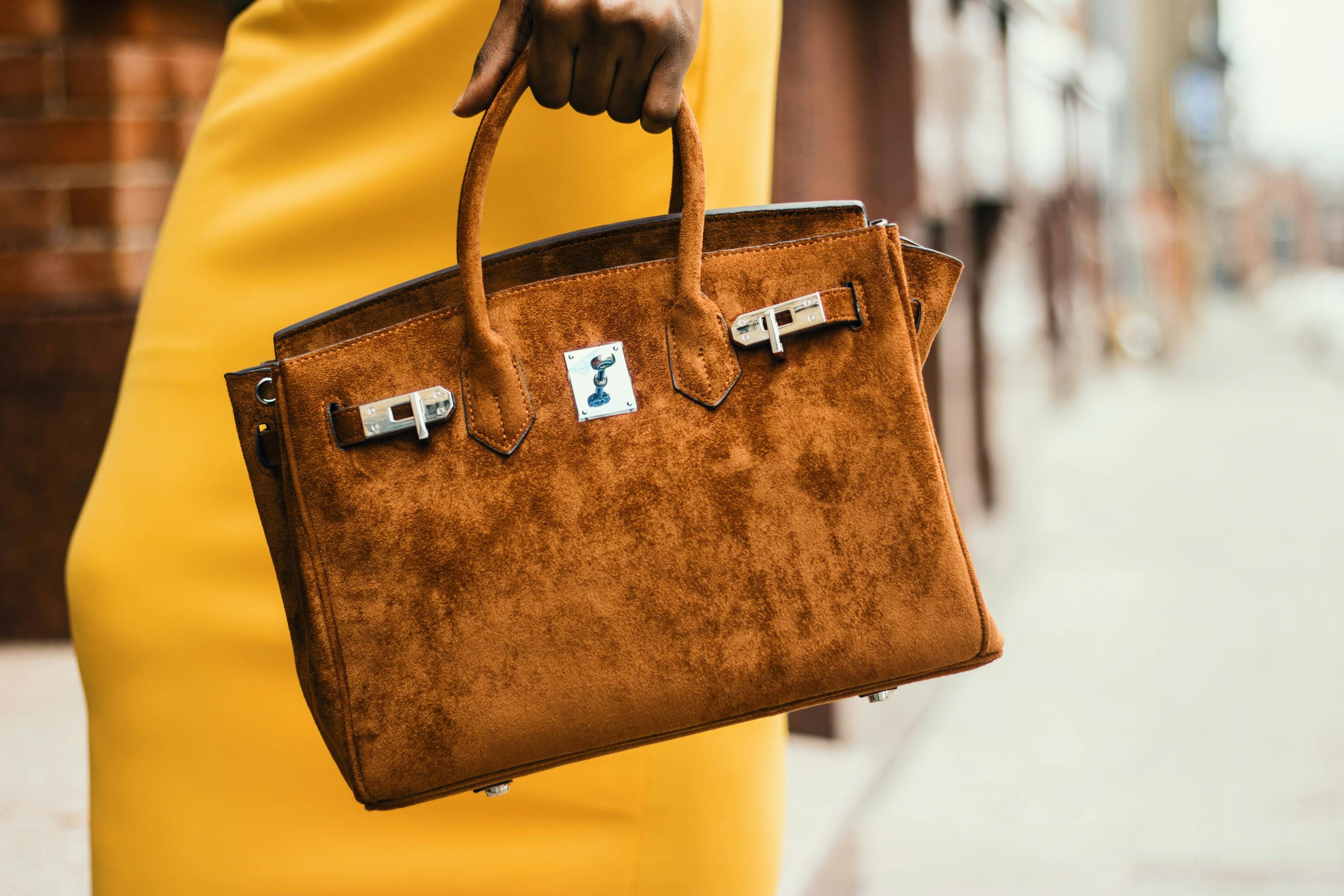
The Architectural Evolution of the Hermès Birkin: Materiality and Heritage
The Hermès Birkin stands as a definitive case study in the intersection of equestrian harness-making heritage, structural functionalism, and the sociology of luxury material culture. Originally conceived in 1984 following a chance encounter between actress Jane Birkin and Hermès chief executive Jean-Louis Dumas, the vessel's design DNA is deeply rooted in the Haut à Courroies, a nineteenth-century equestrian bag designed to hold saddles and boots. Analyzing its structural architecture reveals a complex matrix of rigid geometric lines balanced by organic material flexibility. The bag’s silhouette relies on a distinct trapezoidal body, reinforced by a reinforced rigid base with four protective clous (guilloché metal feet) that dictate its spatial orientation and weight distribution. The technical execution of the Birkin is characterized by the house’s signature saddle stitch (couture sellier), a manual technique requiring two needles threading a single linen strand coated in beeswax, moving in opposite directions through pre-punched holes. This methodology ensures that if one stitch suffers abrasion, the integrity of the remaining seam remains entirely uncompromised, structurally contrasting with automated lock-stitch sewing machines. The material variations—ranging from Togo (grained, scratch-resistant calfskin) and Clemence (a softer, heavier taurillon leather) to exotic, highly regulated porosus crocodile—present distinct physical properties that alter the bag's structural aging process and natural slouch over decades. The hardware mechanism, consisting of the pontets (metal loops), touret (turnlock), and the sangle straps, acts as both a functional tension distribution system and a prominent visual semiotic device. From a critical cultural perspective, the Birkin has evolved beyond an utilitarian container into an institutional store of value and an anthropological marker of socioeconomic stratification. Its production limitations and highly managed distribution networks present an intriguing paradox within modern post-industrial economics, where deliberate supply scarcity amplifies perceived cultural capital. However, an objective material analysis reveals that its functional design—characterized by its significant unladen weight, the lack of a contemporary cross-body shoulder strap, and a highly deliberate, multi-step opening sequence—renders it less aligned with modern principles of rapid, ergonomic utility, remaining instead an artifact of classical, slow-paced luxury craftsmanship.

The Chanel Classic Flap: Mathematical Quilting and Semiotic Transformation
The structural lineage of the Chanel Classic Flap bag represents an extraordinary narrative of industrial adaptation, geometric precision, and the evolving socio-political landscape of women’s fashion in the twentieth century. While the original iteration, the 2.55, was designed by Gabrielle Chanel in February 1955 to liberate women's hands from contemporary clutches through the introduction of a military-inspired shoulder chain, the modern Classic Flap—reimagined by Karl Lagerfeld in 1983—introduced a shifting semiotic vocabulary. The structural foundation of the bag relies on a meticulous diamond-pattern quilting (matelassé), a design choice derived from the jackets worn by stable lads at the horse racing tracks Chanel frequented. This quilting is not merely aesthetic; it serves a crucial structural function by providing volume, maintaining the structural rigidity of the lambskin or caviar leather, and preventing the material from stretching unevenly under structural stress. The mathematical alignment of these quilts across the exterior pocket and the front flap requires an exact millimeter tolerances during the cutting and assembly phases, making it a benchmark of luxury geometric construction. The interior architecture features a 'bag-in-bag' construction methodology, where an independent internal burgundy leather lining is completely constructed and then hand-stitched inside the black exterior shell, creating a dual-layer protective matrix. The hardware transition from the original rectangular 'Mademoiselle' lock to the interlocking 'CC' clasp marked a pivotal shift from utilitarian understatement to overt brand signaling within late-twentieth-century consumer culture. The signature chain strap, interwoven with leather strips, utilizes an industrial manufacturing technique that distributes the downward force across the shoulder blade, though modern ergonomic assessments note that when fully loaded with modern electronic devices, the metal links can cause concentrated pressure points. Ultimately, the Classic Flap occupies a unique position in design history: it bridges the gap between early modern functionalism and the hyper-branded postmodern aesthetic, serving as an enduring study in how structural design can be preserved while its cultural meaning is continuously rewritten.
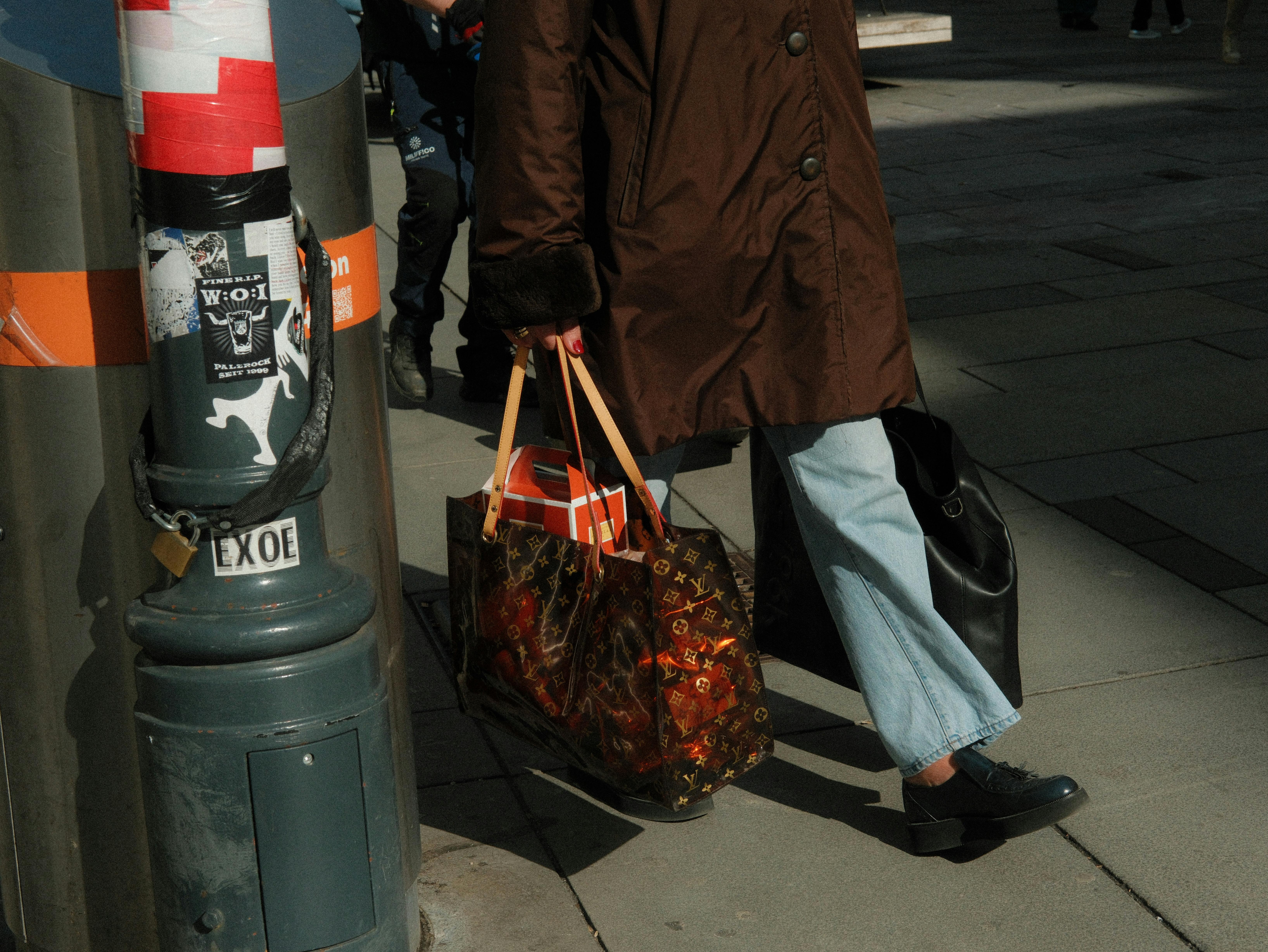
The Louis Vuitton Speedy: Canvas Innovation and the Genesis of Modern Travel Wear
Tracing its morphological roots to the rapid acceleration of industrial transportation systems in the early twentieth century, the Louis Vuitton Speedy represents a vital evolutionary bridge between traditional heavy luggage craftsmanship and modern everyday leather goods. Introduced in 1930 as the 'Express'—a direct response to the era’s obsession with transcontinental automotive and rail travel—the bag was a downsized adaptation of the larger Keepall duffle. The core technological innovation of the Speedy lies not in leather manipulation, but in its utilization of woven cotton canvas coated with a proprietary polyvinyl chloride (PVC) compound, featuring the historic Monogram pattern designed in 1896. This composite material engineering creates an incredibly lightweight, completely waterproof, and highly abrasion-resistant exterior textile that physically outperforms traditional unprotected leathers in volatile environmental conditions. The structural architecture relies on a continuous, single piece of canvas wrapping from the front to the back, resulting in an upside-down orientation of the monogram motif on the reverse side—a unique manufacturing characteristic that defies conventional symmetrical construction norms. The bag's structural rigidity is entirely reliant on its tubular vachetta leather handles and leather piping seams, which provide an external skeleton to an otherwise collapsible, unstructured interior volume. Over nearly a century, the Speedy's profile has undergone subtle geometric updates, transitioning from a purely soft-sided travel accessory to a structured urban handbag via the introduction of internal baseboards and organizational liners by contemporary consumers. From an industrial perspective, the Speedy demonstrates how a design rooted in maritime and rail utility can adapt to high-density urban environments. However, an objective evaluation highlights that its open interior void lacks contemporary internal compartments or secure laptop sleeves, presenting an archival, non-segmented storage philosophy that prioritized volume over compartmentalized digital ergonomics, remaining an unyielding monument to mid-century industrial geometry.
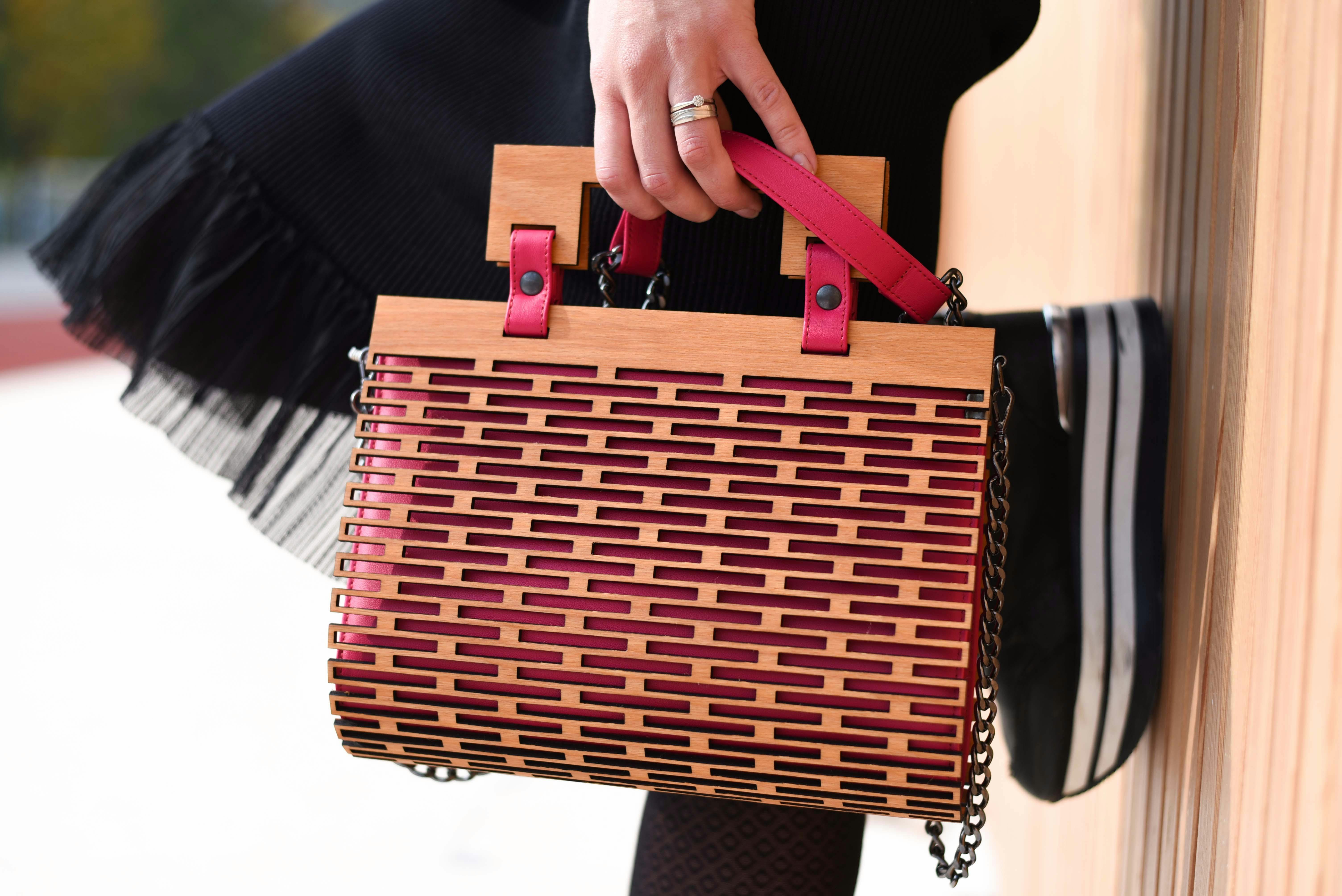
The Lady Dior: Cannage Geometry and Post-War Haute Couture Architecture
Emerging from the architectural renaissance of post-war French haute couture, the Lady Dior handbag—originally gifted to Diana, Princess of Wales, in 1995 by France's First Lady Bernadette Chirac—serves as a dense text of historical visual references and strict mathematical proportions. The structural silhouette of the Lady Dior is resolutely orthic, characterized by an unyielding, rigid rectangular box construction that directly mirrors the architectural principles of Christian Dior’s 1947 'New Look' silhouettes, which sought to restore structure, symmetry, and defined form to the female body. The defining visual and tactile signature of the vessel is the Cannage quilting pattern. This complex network of intersecting straight and diagonal lines is directly inspired by the woven rattan caning of the Napoleon III style chairs used by Dior in his historic salons at 30 Avenue Montaigne for guests viewing his runway presentations. The technical translation of this wickerwork texture onto premium lambskin or calfskin requires an advanced stitching matrix, where the tension of the thread must be perfectly modulated to create three-dimensional, pillowed polyhedral shapes that catch light from varying angles. The structural integrity is maintained by internal reinforced fiberboard panels that prevent any bowing or structural collapse, ensuring the bag retains its clean geometric profile even when empty. The hanging metallic 'D.I.O.R.' charms, acting as mobile jewelry accents, introduce an auditory and kinetic dimension to the bag's movement, reflecting the house's heritage of talismanic luck tokens. Critically analyzed, the Lady Dior stands as a triumphs of rigid structural leatherwork, though this uncompromising stiffness can restrict physical access to the interior via the narrow top zipper or flap opening, demonstrating a design ethos where architectural silhouette and formal aesthetic symmetry take clear precedence over fast-paced, fluid physical utility.
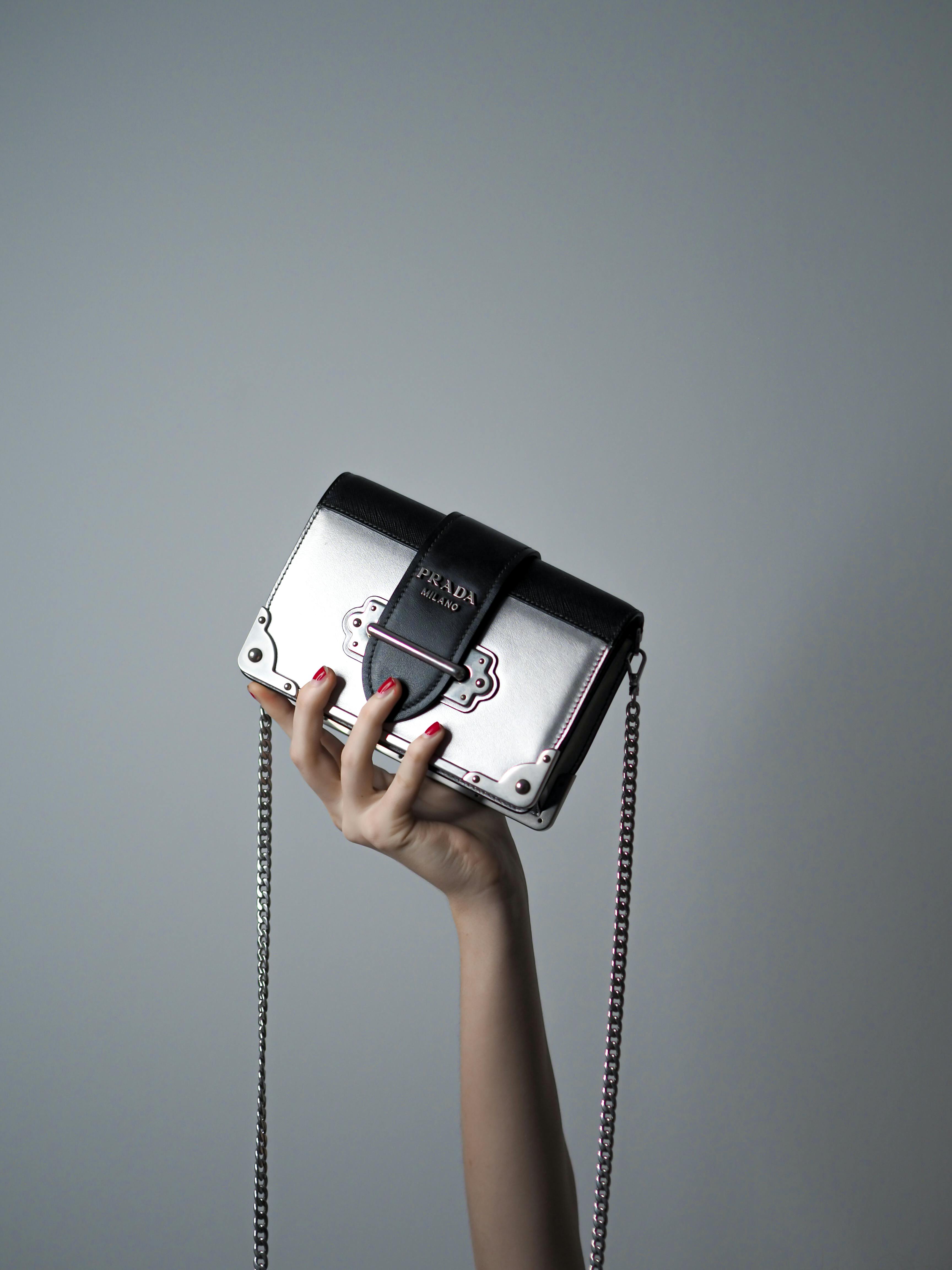
The Prada Galleria: Saffiano Engineering and the Minimalist Utility Matrix
Representing a radical departure from the romantic, artisanal narratives of classical French luxury houses, the Prada Galleria bag—introduced in 2007—is an exploration of industrial leather engineering, German material precision, and late-twentieth-century institutional minimalism. Named after the historic Galleria Vittorio Emanuele II in Milan where Mario Prada opened his first boutique in 1913, the bag’s primary material foundation is Saffiano leather, a cross-hatched calfskin leather that underwent a patented preparation process originally developed by Mario Prada himself. The leather is treated with a specialized wax compound and then hot-stamped with a fine diagonal cross-hatch texture, a process that dramatically alters the material's mechanical properties, rendering it highly resistant to scratches, water saturation, and thermal degradation. The structural architecture of the Galleria is built around a tripartite internal configuration, featuring two deep outer compartments secured by heavy-gauge brass zippers alongside a centralized open-access bay. This internal spatial segmentation represents an advanced ergonomic layout that accommodates the changing needs of professional women transitioning into the digital information age, contrasting sharply with the single-chamber design of historical luxury bags. The visual branding is highly restrained, centered on the iconic inverted enamel triangle logo plate, which is securely anchored by two rear rivets through a reinforced leather backing panel. The structural edges of the Galleria are sealed with multiple coats of tonal matte edge paint (tintura), applied by hand to protect the exposed leather plies from moisture ingress and structural fraying. From an industrial design perspective, the Galleria is highly praised for its exceptional resistance to daily wear and its highly rationalized interior taxonomy. However, critics note that the heavy industrial wax coatings and dense internal lining elements contribute to a relatively high baseline weight before any personal cargo is introduced, embodying an intellectual tension between industrial durability and lightweight comfort.
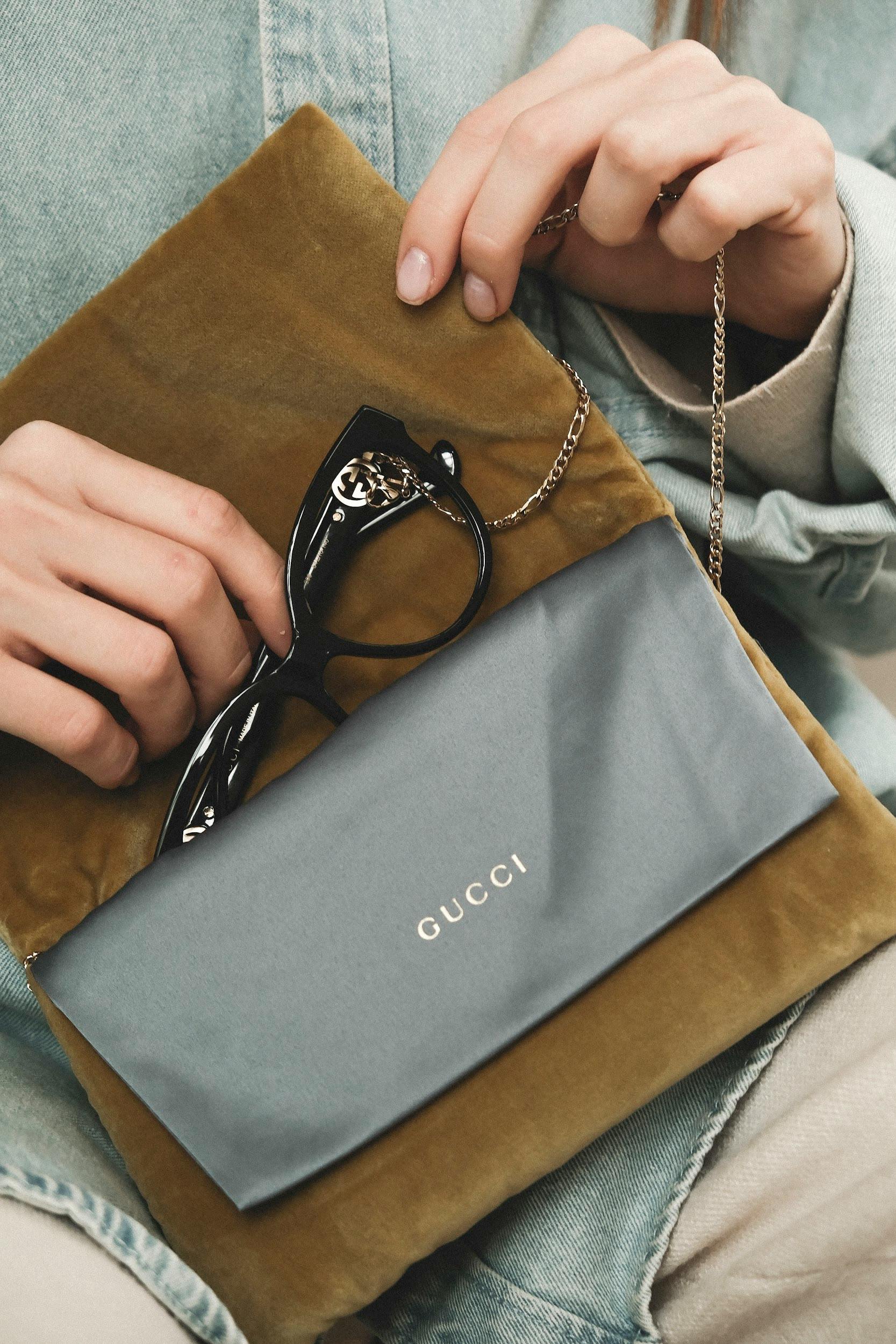
The Gucci Jackie: Halyard Morphology and the Evolution of Jet-Set Ergonomics
The morphological journey of the Gucci Jackie bag offers a compelling study in how a utilitarian equestrian counter-weight structure was progressively co-opted into a premier cultural symbol of mid-century jet-set sociology. Originally conceptualized in the late 1950s as a slouchy, unstructured hobo bag under the codename 'G1961', the vessel was characterized by its unique curved crescent profile and an industrial-grade piston metal clasp. The design DNA changed permanently in 1964 when Jacqueline Kennedy Onassis utilized the bag as an impromptu shield against aggressive paparazzi, prompting an overnight semiotic shift from a casual travel container to an emblem of protected privacy and effortless coastal elegance. Structurally, the Jackie is defined by an ergonomic curved silhouette that conforms seamlessly to the biological contour of the human torso when suspended from the shoulder. The signature piston hardware—inspired by the snap-hook mechanical halyards found on luxury racing yachts—acts as both a central ballast and an elegant tension lock, stabilizing the open top without the added weight or complexity of an industrial zipper track. The construction methodology relies on an edge-to-edge seam alignment (costola) sealed with specialized polyurethane paints to prevent moisture tracking between the exterior leather layer and the raw interior lining. Over multiple decades, under subsequent creative directors, the Jackie has undergone structural re-engineering, moving from original unlined, soft-grained pigskin variations to hyper-rigid, structured box-calf iterations. An objective structural analysis reveals that while the bag excels in organic form and aerodynamic shoulder stability, its tapered crescent shape intrinsically compromises interior spatial efficiency, restricting vertical storage capacity for contemporary large-format electronic tablets, thereby prioritizing sculptural body symmetry over modern compartmentalized digital utility.

The Fendi Baguette: Postmodern Symmetrical Subversion and Compact Structural Taxonomy
The structural debut of the Fendi Baguette in 1997, designed by Silvia Venturini Fendi, represents a historic turning point in luxury leather goods, marking the formal collapse of early-90s minimalism and the birth of the modern 'It-bag' cultural phenomenon. Named after the traditional French bread loaf due to its deliberate ergonomic placement directly under the armpit, the Baguette subverted contemporary design logic by proving that a highly decorative, compact container could capture global consumer attention more effectively than large, austere utilitarian briefcases. The architectural blueprint of the Baguette is surprisingly simple: a micro-rectangular prism characterized by a short, detachable shoulder strap and a front flap dominated by an architectural double-F inverted logo clasp. The technical complexity of the Baguette lies not in its geometric shape, but in its material versatility. It served as a blank structural canvas for over a thousand iterations, ranging from traditional high-density Selleria Roman leather—characterized by coarse, hand-executed stitching—to delicate micro-beaded embroideries, woven jacquards, and treated exotic shearling. The interior features a highly compressed single-chamber layout containing one secured zip pocket, designed with a specific flat taxonomy intended to carry minimal personal items like keys, lipstick, and small wallets. From an industrial engineering perspective, the Baguette is highly praised for its pioneering use of interchangeable straps, which effectively transformed a single handbag from an underarm day accessory into an evening clutch. However, contemporary ergonomic evaluations point out that the ultra-short strap length can significantly restrict physical movement when worn over thick winter outerwear, creating a design tension between strict architectural proximity and universal physiological comfort.

The Bottega Veneta Cabat: Intrecciato Engineering and the Elimination of Internal Structural Hardware
The creation of the Bottega Veneta Cabat in 2001 under the creative direction of Tomas Maier remains one of the most radical experiments in modern luxury leathercraft, defying traditional handbag manufacturing conventions by completely eliminating internal support structures, fabric linings, and visible hardware. The Cabat is a spacious, collapsible open-top tote bag whose entire structural integrity is derived exclusively from a highly advanced hand-weaving technique known as Intrecciato. The production process requires two master artisans working simultaneously for over two full business days to weave high-grade fettucce (strips of premium nappa leather) that have been previously laminated back-to-back. This dual-lamination technique creates a completely seamless, reversible leather textile that looks identically pristine on both the exterior and interior surfaces of the vessel. Because there are no fabric linings, metal zippers, or structural fiberboard bases, the bag relies on the mechanical friction and structural tension of the interlocking leather strips to maintain its shape under gravitational load. The corners are woven continuously rather than cut and stitched, eliminating weak points prone to structural failure over time. The rolled leather handles are integrated into the body via internal reinforced cords that distribute downward weight evenly across the woven matrix. From an industrial design perspective, the Cabat is a masterpiece of organic architecture and material essentialism, celebrating raw craftsmanship over branding logos. However, an objective utility analysis notes that the complete absence of internal dividers, secured zip pockets, or magnetic closures forces an unstructured, chaotic interior organization, requiring users to rely on an external leather pouch to secure critical small items like passports or smartphones.

The Balenciaga Motorcycle Bag: Distressed Distillation and Anti-Luxury Material Deconstruction
The introduction of the Balenciaga 'Classique'—popularly known as the Motorcycle or City bag—in 2001 by Nicolas Ghesquière marks a profound, anti-establishment moment in modern luxury leather accessory design history. Initially rejected by Balenciaga’s parent corporate board for being too soft, structurally unstructured, and lacking a prominent brand logo, the bag achieved iconic status after Ghesquière secretly produced twenty prototypes for runway models who instantly embraced its rebellious, non-conformist aesthetic. The structural architecture of the City bag completely avoids the rigid, reinforced internal board construction utilized by traditional French and Italian houses. Instead, it relies on a hyper-pliant, ultra-thin distressed lambskin leather (chevre or agneau) that actively resists retaining a fixed shape, allowing the bag to slouch and develop a unique, individual patina through physical contact. The design vocabulary is intensely industrial and subversively utilitarian, utilizing long leather tassels attached to heavy metal zipper pulls, oversized thimble studs (chevalets), a braided leather whipstitched handle, and a detachable shoulder strap with a shoulder pad. The interior is lined with durable, lightweight black cotton canvas, maximizing the internal volume and minimizing the overall baseline weight of the leather goods. Critically analyzed, the Motorcycle bag represents a brilliant deconstruction of traditional luxury; it treated expensive leather with distressing techniques to make it appear worn, soft, and pre-used. However, an industrial analysis reveals that the extremely thin nature of the distressed lambskin combined with the stress from heavy metal hardware can lead to accelerated wear and fraying at the base corners over extended periods, making it an artifact that embraces temporal decay over static perfection.

The Dior Saddle Bag: Asymmetrical Biomimicry and the Postmodern Equestrian Dialogue
Designed by John Galliano for the Spring/Summer 2000 ready-to-wear collection, the Dior Saddle bag stands as one of the most polarizing, visually striking, and structurally complex achievements in the history of commercial luxury accessories. The bag represents a radical exercise in asymmetrical biomimicry, directly replicating the literal silhouette of an equestrian English riding saddle, complete with a sweeping curved base, a tapering rear horn, and a descending leather strap terminated by an oversized gilded metal 'D' stirrup charm. The upper handle attachment is integrated into the body via massive interlocking 'CD' metal hinges, anchoring the asymmetric weight distribution of the vessel. The construction of the Saddle requires highly specialized asymmetric pattern cutting, as no two exterior panels share identical geometric lines. The interior cavity is accessed through a curved top opening secured by an ergonomic Velcro strip or magnetic snap button hidden behind the decorative front strap. The material variations over the past two decades highlight its function as a cultural mirror, spanning from the original oblique canvas jacquard and sleek box calfskin to provocative printed newspaper graphics and camouflage textiles. From a design perspective, the Saddle bag is celebrated for breaking the absolute tyranny of symmetrical rectangular boxes that had dominated the luxury market for a century. However, an objective structural evaluation highlights that its extreme asymmetric curvature severely limits internal spatial efficiency; the narrow, tapering rear section of the bag creates a functionally dead zone incapable of accommodating modern large smartphones or structured rectangular wallets, defining an artifact that prioritizes avant-garde visual performance over practical everyday volumetric utility.
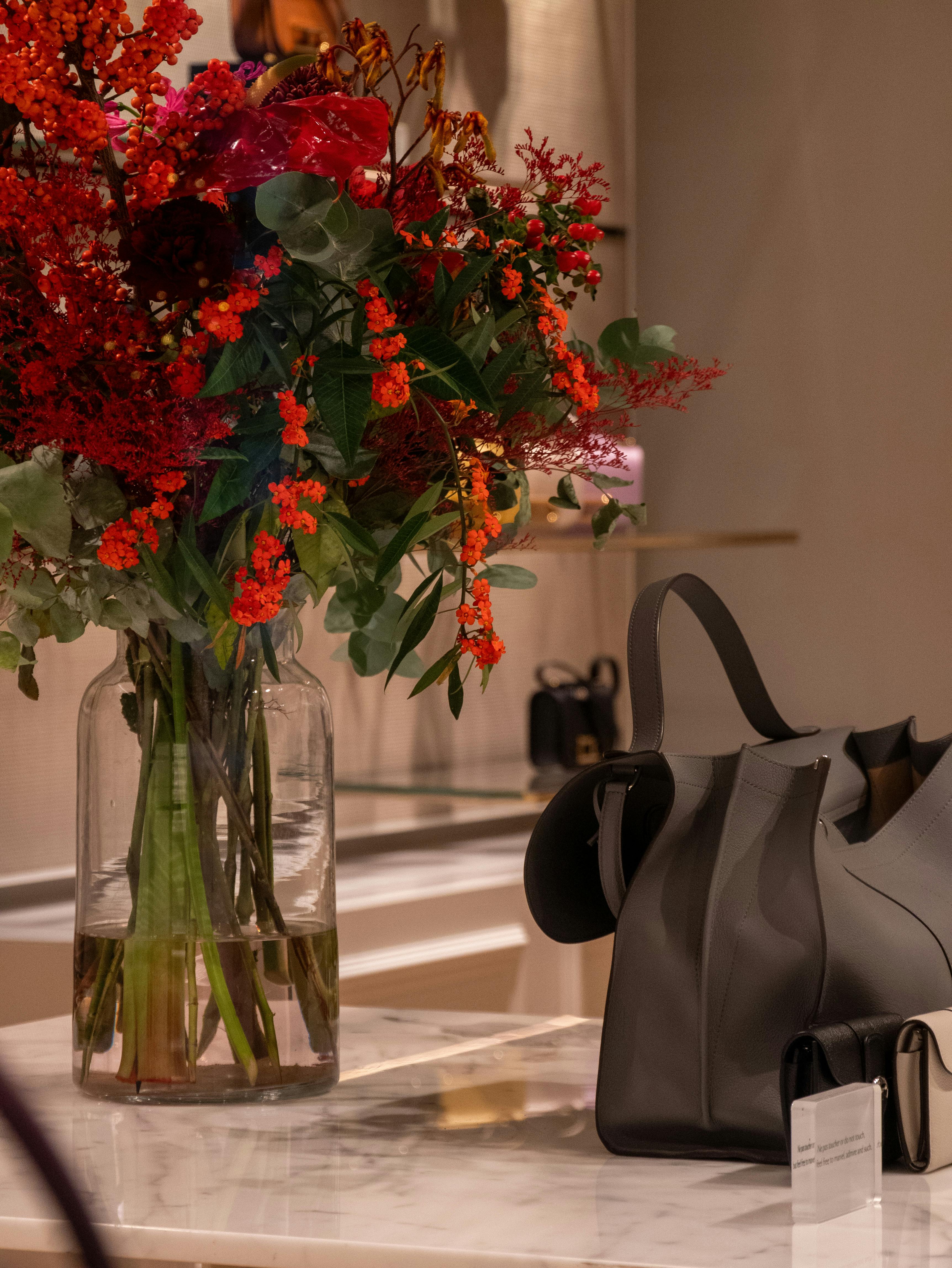
The Loewe Puzzle: Cubist Origami and Geometric Spatial Re-Engineering
Introduced in 2015 as the debut accessory designed by Jonathan Anderson for the historic Spanish house Loewe, the Puzzle bag represents an extraordinary synthesis of cubist art principles, advanced pattern geometry, and mathematical structural engineering. The defining characteristic of the Puzzle is its highly innovative, non-Euclidean body construction, which allows a spacious, three-dimensional rectangular prism to collapse entirely flat into a two-dimensional geometric plane without causing structural creasing or irreversible leather deformation. The architectural blueprint achieves this through a meticulous arrangement of forty distinct, asymmetrical panels of premium box calfskin, each precisely cut with laser tolerances and assembled in a highly specific structural sequence. Each individual leather piece is skived down at the edges to minimize bulk, then hand-painted with tonal matte edge-sealants (tintura) before being meticulously joined by narrow, parallel rows of topstitching that act as mechanical hinges. This complex jigsaw framework allows the bag to articulate along its seam lines, flexing dynamically in response to gravitational loads and the internal pressure of its cargo. The bag's multi-functional suspension system, featuring a pivoting top handle and a detachable shoulder strap anchored by solid brass carabiners, enables five distinct carrying configurations, transforming the vessel from a traditional shoulder satchel to a casual clutch or a contemporary backpack. From an industrial design perspective, the Puzzle is highly celebrated for its revolutionary volumetric adaptability and its celebration of architectural abstraction over traditional hardware-heavy decoration. However, a material and maintenance analysis highlights that the presence of forty separate interlocking leather panels dramatically increases the cumulative length of exposed hand-painted edges, making the structure more susceptible to environmental moisture absorption and edge-cracking over decades of continuous exposure, presenting an intellectual tension between complex kinetic geometry and long-term material longevity.

The Celine Luggage Tote: Structural Anthropomorphism and the Neo-Minimalist Architectural Shift
The introduction of the Celine Luggage Tote in 2010 under the creative leadership of Phoebe Philo marks a monumental chapter in the history of contemporary accessory design, initiating a global industry shift away from overt, logocentric hardware toward strict structural geometry and graphic silhouette recognition. The defining visual characteristic of the Luggage Tote is its highly distinct, almost anthropomorphic front panel layout, where the sinuous, parallel waves of curved leather piping combined with a horizontal front zipper pocket accidentally replicate the graphical abstraction of a human face. Structurally, the bag is built upon a rigid, flared trapezoidal armature, featuring expansive lateral wings (gussets) that can be folded inward or extended outward to dramatically alter the vessel's internal storage volume and external silhouette. The production methodology requires a highly rigid internal fiberboard reinforcement structure wrapped in smooth box calfskin, drummed drummed nubuck, or grained palmelato leather. The thick, rolled double handles are anchored to the front and back panels via heavy internal reinforcement plates, distributing the mechanical strain of heavy cargo across a wide surface area to prevent structural sagging or leather tearing at the points of attachment. The base is reinforced with five protective metal feet and a thick, multi-layered leather foundation plate that maintains the bag's vertical stability when placed on flat surfaces. Critically analyzed, the Luggage Tote stands as a triumph of neo-minimalist architectural form, demonstrating how simple geometric cutouts and structural piping can create a globally recognized icon without relying on a metal logo. However, an industrial utility assessment emphasizes that the extensive use of multi-layered heavy internal reinforcements combined with thick, double-faced leather panels results in an exceptionally high unladen baseline weight, creating a functional trade-off where structural permanence and formal aesthetic rigidity compromise long-term ergonomic comfort.
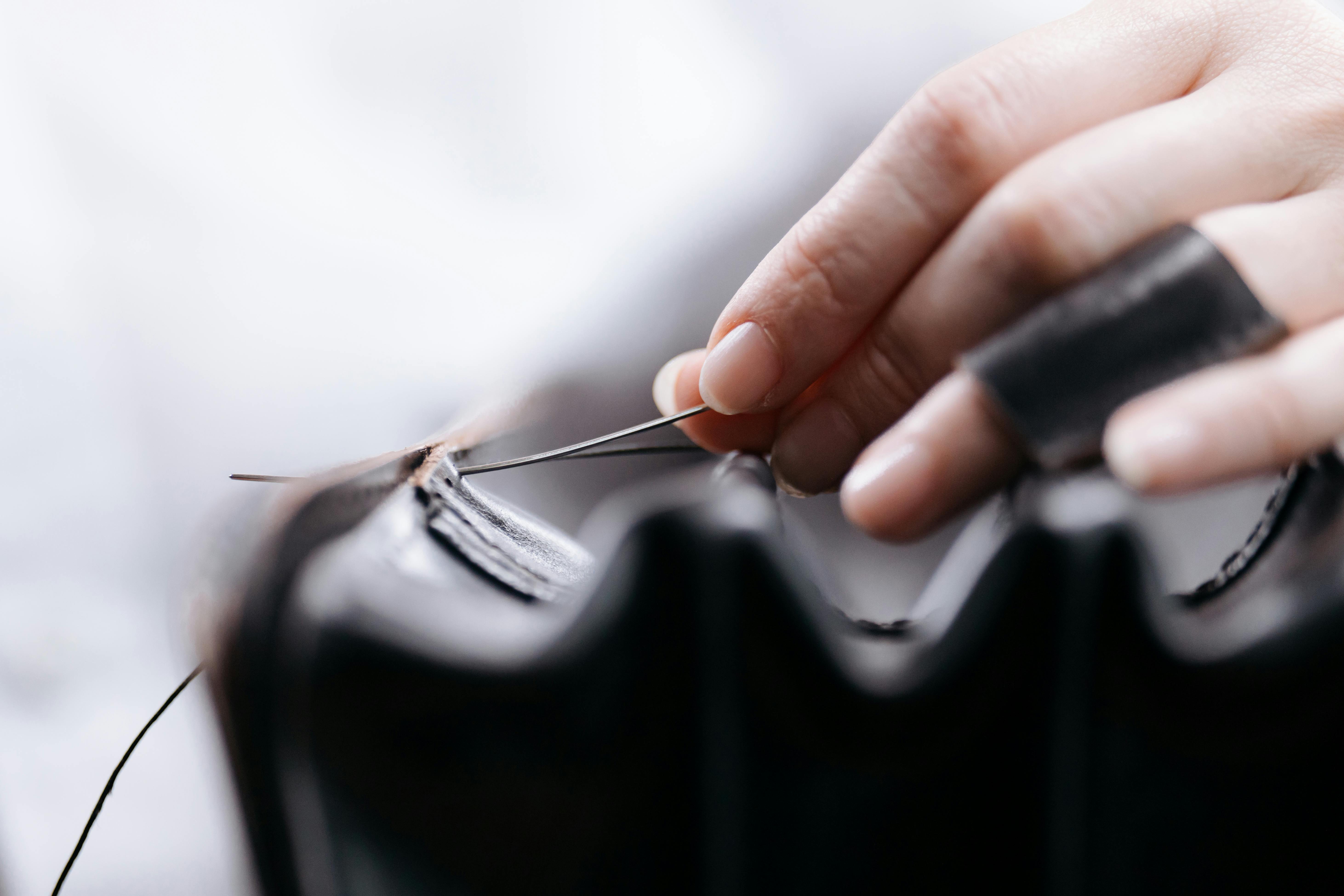
The Saint Laurent Sac de Jour: Accordion Mechanics and the Rationalization of Corporate Luxury
Designed by Hedi Slimane in 2013 as a core pillar of his radical restructuring of Yves Saint Laurent into Saint Laurent Paris, the Sac de Jour represents a calculated, hyper-rationalized translation of classic mid-century corporate utility into the contemporary luxury material landscape. Heavily inspired by the structural austerity of traditional men's attaché cases and the minimalist geometries of mid-century industrial office equipment, the Sac de Jour is defined by an absolute rejection of decorative organic curves in favor of rigid, orthic rectangular construction. The primary mechanical innovation of the bag resides in its lateral accordion-pleated gussets, which are held under variable compression by adjustable leather compression straps running through parallel metal slide loops on the upper perimeter. This accordion-style framework allows the bag's depth to expand or contract dynamically based on the volume of documents or electronic devices placed inside, offering a highly rationalized internal taxonomy that features a central, removable zippered compartment lined in premium suede. The construction utilizes high-density, drum-dyed grain-de-poudre calfskin or ultra-smooth box leather, treated with a matte acrylic surface finish that provides exceptional scratch resistance and color uniformity. The small, heat-stamped foil branding at the upper center is highly understated, allowing the bag's stark geometric outline and prominent leather hanging padlock sheath (clochette) to serve as its primary identifier. From a product design perspective, the Sac de Jour is highly praised for its exceptional professional utility and its clinical structural execution. However, critics note that the compression straps must be completely unbuckled to fully open the accordion gussets, creating an ergonomics paradox where accessing the maximum storage volume requires a multi-step, highly deliberate manual sequence that contradicts the fast-paced fluid movements of modern lifestyle ergonomics.
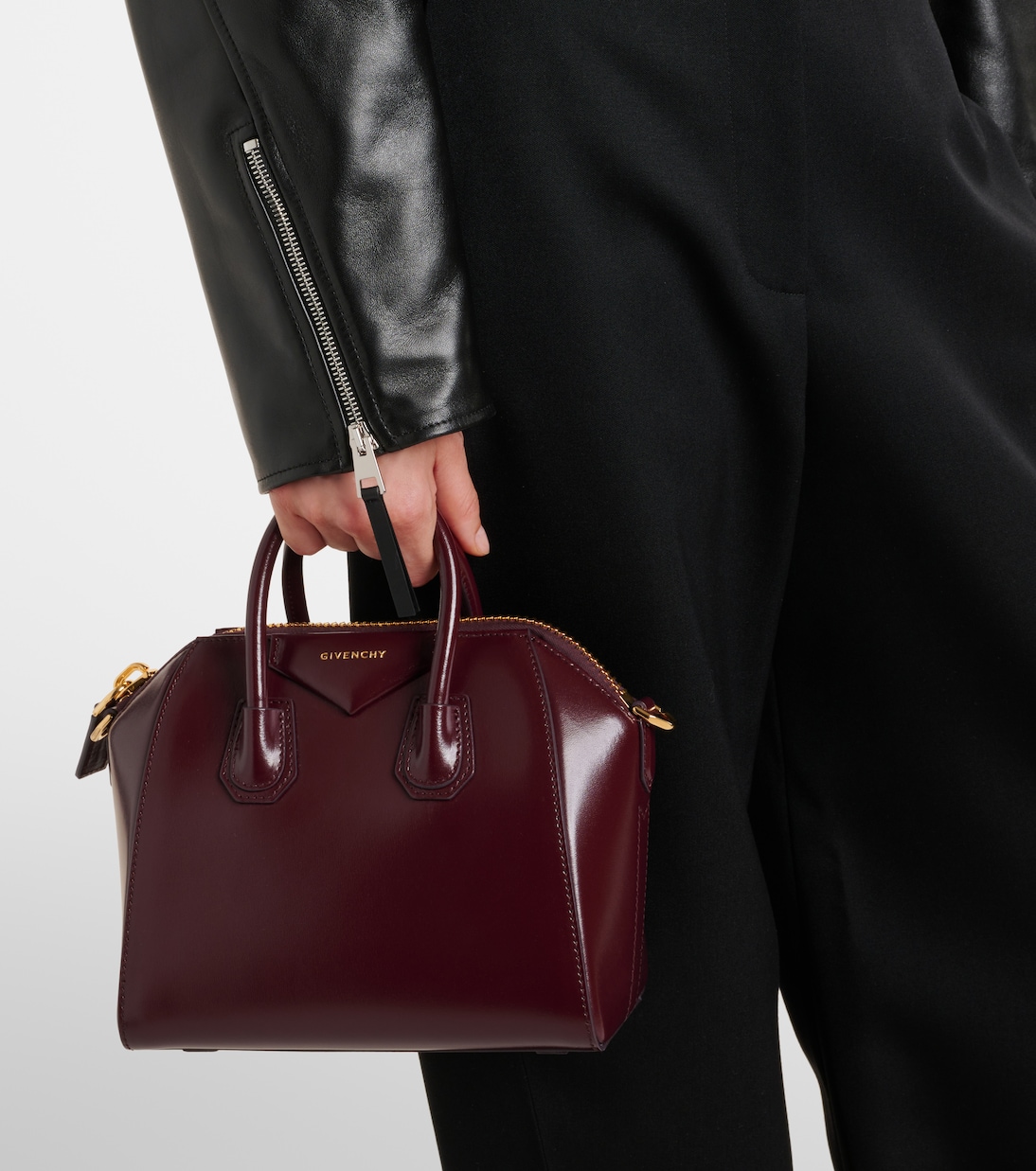
The Givenchy Antigona: Kinetic Industrial Geometry and Armor-Like Leather Sculpture
The debut of the Givenchy Antigona in 2010, designed by Riccardo Tisci, represents a powerful, masculine-leaning evolution in the structural language of luxury duffle bags, masterfully fusing traditional Boston bag geometry with hyper-rigid industrial design elements inspired by military armor and sleek automotive silhouettes. Named after the tragic Greek mythological heroine Antigone, the bag’s design language evokes themes of unyielding strength, emotional armor, and structural defiance. The architectural core of the Antigona is a heavily structured, semi-rigid pentagonal silhouette, characterized by clean, sharp vectors and an oversized, padded triangular leather envelope patch on the front panel that houses a subtle, debossed metal logo plate. The technical execution relies heavily on the utilization of Sugar or Box leather—specialized calfskins that undergo a intense vegetable tanning and heat-pressing process to achieve an exceptionally dense, smooth, and rigid crystalline surface texture that resists bowing or folding under extreme mechanical stress. The seams are constructed using an internal piping technique wrapped in heavy leather strips, creating a rigid external skeleton that maintains the bag’s precise geometric volume even when subjected to shifting internal cargo weights. The oversized, military-grade silver or gold-toned brass zippers introduce a raw tactile weight and an aggressive industrial texture that contrasts sharply with the smooth leather surfaces. Thematically and structurally, the Antigona is celebrated for its imposing presence and its unmatched durability within the high-end luxury satchel segment. However, an objective ergonomic evaluation highlights that the hyper-rigid, fixed tubular handles possess a limited radius of rotation, which can restrict quick physical access to the interior via the heavy-gauge zipper track, illustrating a design philosophy that prioritizes sculptural permanence and armor-like form over effortless physical access.
The Balenciaga Hourglass: Parabolic Curvature and Postmodern Silhouette Distortions
Reimagined by Demna Gvasalia for the Fall/Summer 2019 collection, the Balenciaga Hourglass bag stands as a brilliant, highly subversive exercise in postmodern structural distortion and architectural biomimicry, directly challenging the traditional linear geometry of luxury leather goods by utilizing a dramatic, exaggerated parabolic contour. The defining structural element of the Hourglass is its deeply concave base curve, which arches sharply upward to mimic the cinched waistlines of Cristóbal Balenciaga’s historic 1950s haute couture cocoon coats and structural tailored suits. This radical upward curvature creates a striking optical illusion, transforming a standard top-handle flap bag into a kinetic, fluid sculpture that appears to float on its two extreme outer base points. The construction of the Hourglass requires an incredibly rigid, molded internal resin composite frame wrapped in premium shiny box calfskin, embossed crocodile-grained leather, or heavily distressed metallics. The leather must be stretched over the sharp, multi-angular corners and parabolic curves under intense, perfectly uniform tension to prevent any surface wrinkling, pocketing, or material lifting over time. The front flap terminates in a sharp, plunging point dominated by a solid brass suspended 'B' logo hardware initial that acts as a visual and weight anchor for the entire asymmetric silhouette. Critically analyzed, the Hourglass is a masterclass in avant-garde structural forms, breaking away from the monotonous rectangular templates of the luxury market to offer an intellectual exploration of negative space and silhouette distortion. However, an industrial utility analysis reveals that the extreme upward curvature of the base severely decreases the bag's internal vertical volume, leaving the central cavity considerably narrower than the outer edges, which prevents the flat horizontal placement of standard rectangular personal items, demonstrating a design philosophy where avant-garde visual performance takes clear precedence over practical everyday volumetric utility.
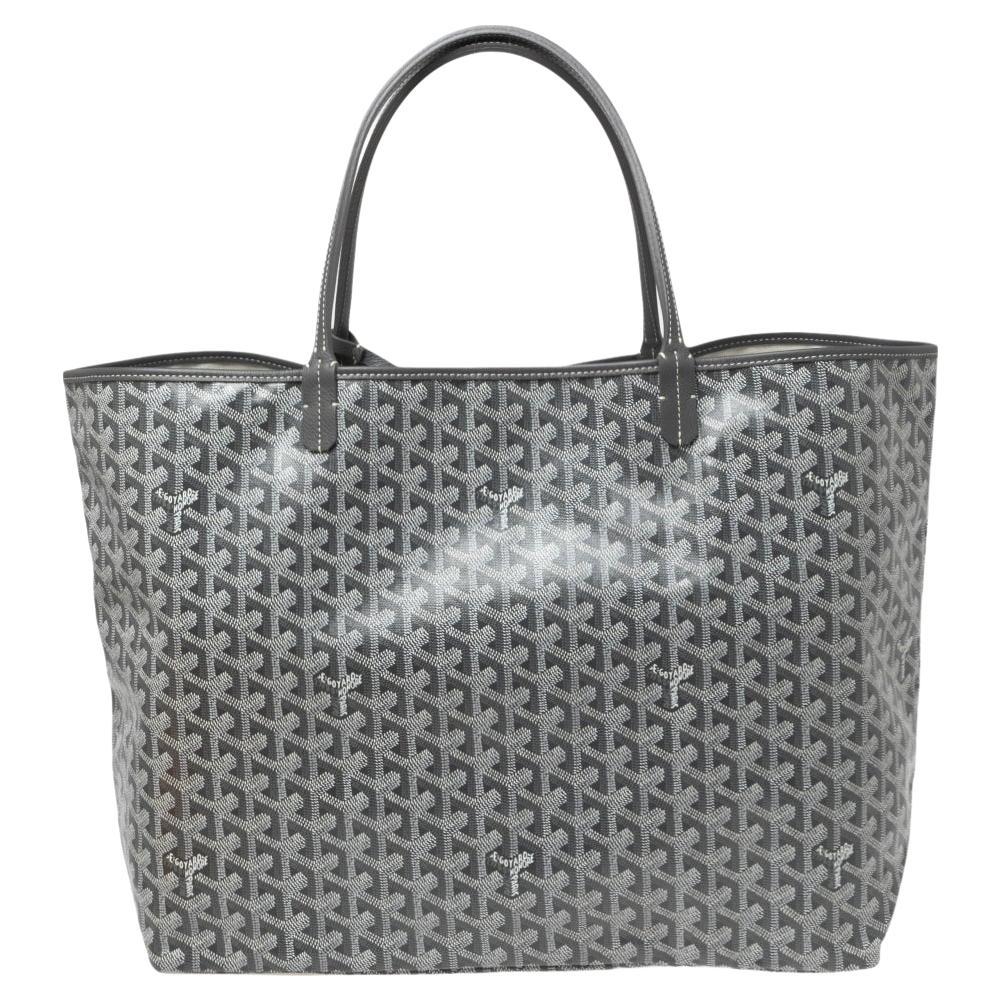
The Goyard Saint Louis: Coated Textile Technology and the Chevron Semiotic Matrix
The structural legacy of the Goyard Saint Louis tote offers a profound case study in the longevity of nineteenth-century maritime transport technology adapting to contemporary urban utility. Originally conceived as a lightweight, collapsible container for affluent travelers to store wet garments or seaside ephemera, the vessel bypasses traditional leather construction entirely. The foundation of the Saint Louis is 'Goyardine'—a proprietary composite textile engineered in 1892, consisting of a woven linen and cotton base canvas coated with a specialized vegetable-based paste, followed by a meticulous multi-layered hand-printing process. The signature interlocking chevron pattern is applied via successive manual pigment overlays, creating a distinctive three-dimensional visual texture that functions as an instantly recognizable, logoless semiotic device. Structurally, the Saint Louis is an unlined, open-top shopper tote that relies on its composite material composition to provide high tensile strength, absolute waterproof characteristics, and exceptional resistance to chemical degradation. The structural edges are bound by a narrow leather strip secured with parallel double-stitching, while the handles are made of premium vachetta leather fastened to the canvas via reinforced triangular stitching patches. From an industrial design perspective, the bag represents a triumph of minimalist weight reduction, weighing mere ounces while capable of supporting significant gravitational loads. However, an objective engineering critique notes that the completely unstructured nature of the unlined canvas offers zero internal impact protection for sensitive electronics, and the reliance on thin leather shoulder straps without internal padding can cause concentrated physiological discomfort when the bag is filled to its maximum volumetric capacity, marking a clear prioritization of historical textile essentialism over modern ergonomic padding.
The Gucci Dionysus: Neo-Baroque Assemblage and the Mechanics of the Textured Spur Lock
Introduced in the Fall/Winter 2015 collection as a definitive marker of Alessandro Michele’s tectonic restructuring of Gucci’s visual identity, the Dionysus bag serves as a complex text on neo-baroque maximalism, mythological symbolism, and multi-layered material assemblage. The structural layout of the Dionysus is a rigid, accordion-style shoulder bag featuring a dual-internal compartment system wrapped in a structured exterior shell. The primary technological framework combines traditional woven GG Supreme canvas—a low-impact, coated microfiber textile—with extensive panels of premium suede or grain leather that line the structural valleys of the bag. The defining mechanical and visual centerpiece is the massive, horseshoe-shaped tiger head spur closure, a direct mythological reference to the Greek god Dionysus crossing the river Tigris. This hardware piece is cast from antiqued brass or silvertone metal and operates on a spring-loaded pressure release mechanism concealed beneath the front leather flap. The bag's suspension relies on a sliding heavy-gauge metal maritime-inspired chain strap that allows the user to transition from a long single-shoulder drop to a double-handled short suspension matrix. From a design theory perspective, the Dionysus is highly celebrated for its brilliant subversion of minimalist modernism, successfully reintroducing dense tactile surfaces and complex historical narratives into contemporary luxury. However, an objective material analysis reveals that the cumulative weight of the multi-layered canvas-and-suede assembly, combined with the solid, unhollowed heavy brass hardware and dense sliding chain, creates an exceptionally high unladen baseline weight, presenting a distinct ergonomic trade-off where cinematic visual theater overpowers lightweight physical mobility.

The Valentino Rockstud: Punk Deconstruction and the Industrialization of Pyramidal Hardware
The debut of the Valentino Rockstud collection in 2010, conceptualized by Maria Grazia Chiuri and Pierpaolo Piccioli, represents a highly calculated, commercialized subversion of classical Italian haute couture through the lens of industrial punk subculture. The Rockstud tote and shoulder bag series dismantled Valentino’s historical reputation for delicate, romantic femininity by introducing aggressive, military-grade hardware elements into structured leather goods. The architectural silhouette of the Rockstud bag relies on a clean, sharp trapezoidal outline constructed from premium vitello leather, which is vegetable-tanned to achieve a supple yet resilient surface matrix. The defining visual signature is the parallel border of platinum-finish pyramidal metal studs, each individual stud securely anchored to the leather edge via a manual four-prong setting process that pierces the leather and folds flat inside the lining to prevent fabric snagging. The positioning of these geometric studs requires perfect spatial calibration along the bag's perimeter seams, functioning as an external structural trim that reinforces the edges against abrasion while creating a high-contrast play of light. The interior is lined with durable cotton twill, balancing the exterior's industrial armor with a soft utilitarian taxonomy. Critically analyzed, the Rockstud is an extraordinary marketing and design achievement, proving that industrial hardware can be romanticized into high luxury. However, a structural maintenance review points out that the exposed metallic finishes on the pointed apex of each pyramid are highly susceptible to micro-scratching and plating loss through repetitive frictional contact with external surfaces, revealing a design where high-maintenance visual edge demands continuous environmental caution.
The Chloé Drew: Curved Feminine Geometry and the Jewelry-Inspired Pin Lock Mechanism
Emerging in 2014 during Clare Waight Keller’s tenure at Chloé, the Drew bag stands as an influential study in seventy-era nostalgic revivalism combined with modern structural asymmetry and delicate hardware engineering. The defining morphological characteristic of the Drew is its perfectly rounded saddle-bag base, which transitions into a stark, clean horizontal top line, creating a unique horseshoe-shaped silhouette that references historical equestrian saddle pouches while maintaining an urban, architectural clarity. The construction methodology utilizes a dual-texture leather matrix, often pairing a rigid, smooth grain calfskin flap with a highly flexible, textured suede body. This material contrast allows the lower section of the bag to expand organically to accommodate cargo while the top section maintains its precise geometric profile. The focal point of the bag's operational ergonomics is the unique jewelry-inspired lock system, consisting of a polished gold-toned brass turnlock bar integrated with a swinging metal pin attached via a delicate miniature chain anchor. The bag is suspended from an ultra-fine, fluid jewelry chain strap that links directly to two oversized metal loops mounted symmetrically on the upper shoulders of the bag. From a product design standpoint, the Drew is celebrated for its graceful, organic curves and its innovative translation of jewelry mechanics into functional leather closure systems. However, an objective utility analysis notes that the ultra-fine nature of the metal chain strap lacks any leather shoulder padding, meaning that when the bag is filled with heavy everyday objects, the thin links can focus gravitational pressure directly into the user's trapezius muscle, demonstrating a design philosophy where delicate jewelry aesthetics supersede ergonomic load distribution.
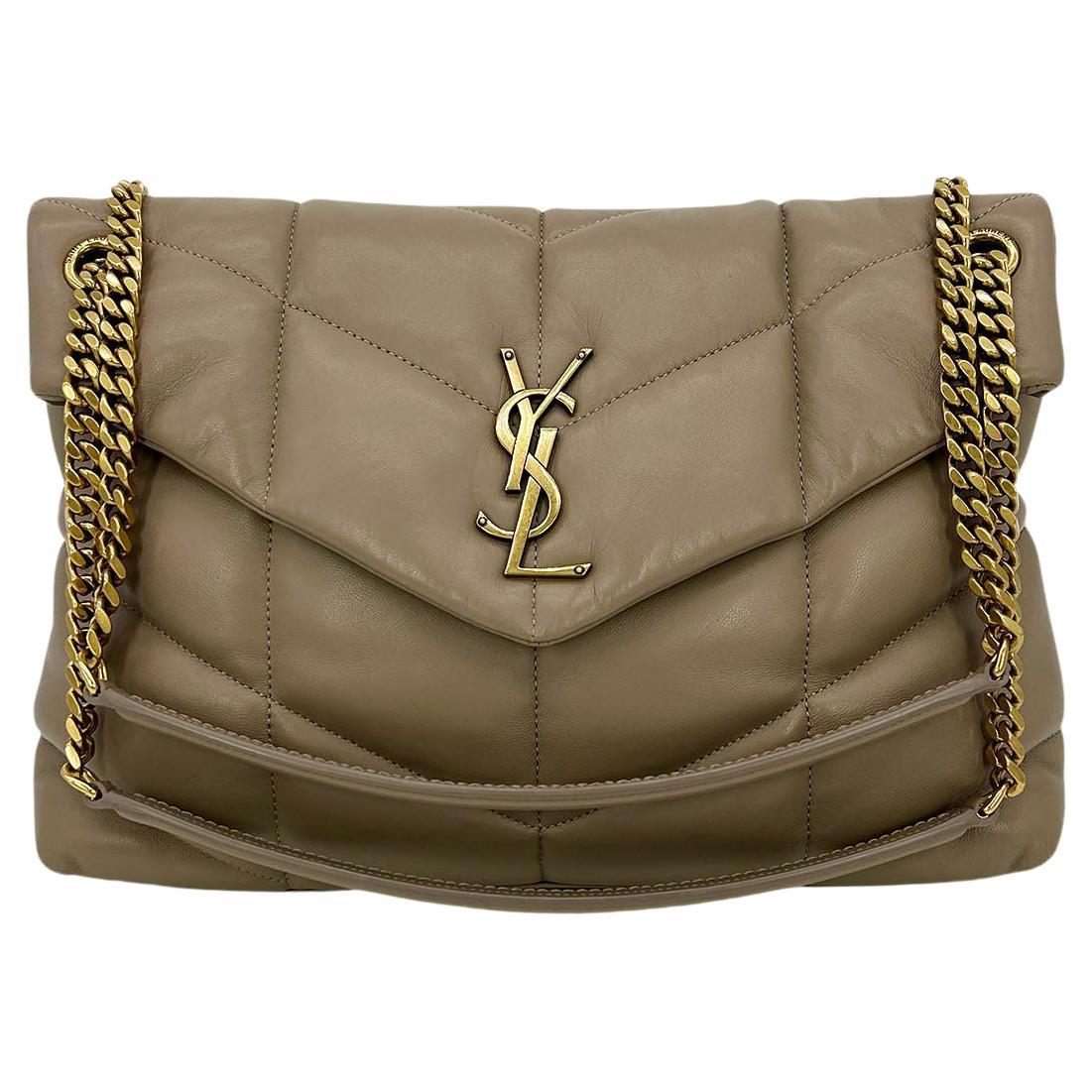
The YSL Loulou: Y-Quilting Volumetric Topology and Soft Puffer Architecture
Introduced as a tribute to LouLou de la Falaise, Yves Saint Laurent’s iconic muse known for her bohemian eccentricity and structural style, the Saint Laurent Loulou bag represents a brilliant exploration of volumetric expansion, soft tactile typography, and matelassé geometry within contemporary luxury. The structural blueprint of the Loulou relies on a soft, matelassé puffer construction, which directly rejects the hyper-rigid resin frames of mid-century bags in favor of an inviting, cloud-like envelope profile. The defining technical achievement of the vessel is its unique Y-shaped quilting pattern, which radiates outward from the central axis of the front flap. This quilting is executed via an advanced automated stitching program that injects high-density synthetic down padding between the exterior buttery calfskin skin and the inner structural interlining. This creation produces deep, three-dimensional geometric pillows that cushion internal contents while maintaining an exceptionally low unladen baseline weight. The closure features a magnetic snap lock concealed behind the iconic metal YSL interlocking monograph initial, providing a fluid, single-handed opening sequence. The suspension system combines an adjustable leather shoulder pad with an integrated metal chain link, enabling seamless transitions between a long crossbody orientation and a shortened dual-loop shoulder drop. Critically analyzed, the Loulou excels in modern everyday ergonomics, offering a highly flexible interior compartment system and superior tactile comfort against the human torso. However, a material wear analysis demonstrates that the ultra-soft, padded nature of the Y-quilting increases the overall exterior surface area exposed to friction, making the raised leather pillows highly vulnerable to surface scuffing, oil absorption, and rapid texture flattening at high-contact points over extended operational timelines.

The Prada Re-Edition: ECONYL Nylon Engineering and the Democratization of Technical Luxury
The historical and material trajectory of the Prada Re-Edition series (primarily focusing on the 2000 and 2005 models) represents one of the most significant anti-leather disruption chapters in modern luxury accessory design, proving that industrial synthetic textiles could challenge the hegemony of traditional exotic skins and fine calfskins. Originally rooted in Miuccia Prada’s radical 1984 introduction of the 'Vela' backpack made from heavy-duty industrial parachute nylon (Pocone), the Re-Edition series transformed this utilitarian material into a contemporary cultural icon of technical minimalism. In the modern era, the primary technological evolution involves the structural transition to 'ECONYL'—a sustainable, high-density regenerated nylon textile harvested from recycled ocean plastics, fishing nets, and industrial textile waste streams through a complex depolymerization and purification matrix. Structurally, the Re-Edition 2005 is an incredibly flexible, lightweight underarm hobo pouch featuring a modular multi-attachment system: a detachable webbed woven polyamide shoulder strap, a removable polished steel chain handle, and a miniature tethered coin pouch. This architectural modularity allows the user to reconfigure the vessel across multiple utility planes, from an austere day crossbody to a streamlined night clutch. From an industrial design standpoint, the Re-Edition is highly praised for its unmatched durability, near-zero unladen baseline weight, and exceptional resistance to water saturation and mechanical tearing. However, an objective material critique highlights that the interior fabric cavity lacks any structural reinforcement fiberboard or protective base padding, which causes the bag to completely lose its aesthetic shape and sag unevenly when loaded with heavy, irregular geometric objects, making it an artifact that heavily favors casual, low-weight technical utility over formal structural definition.
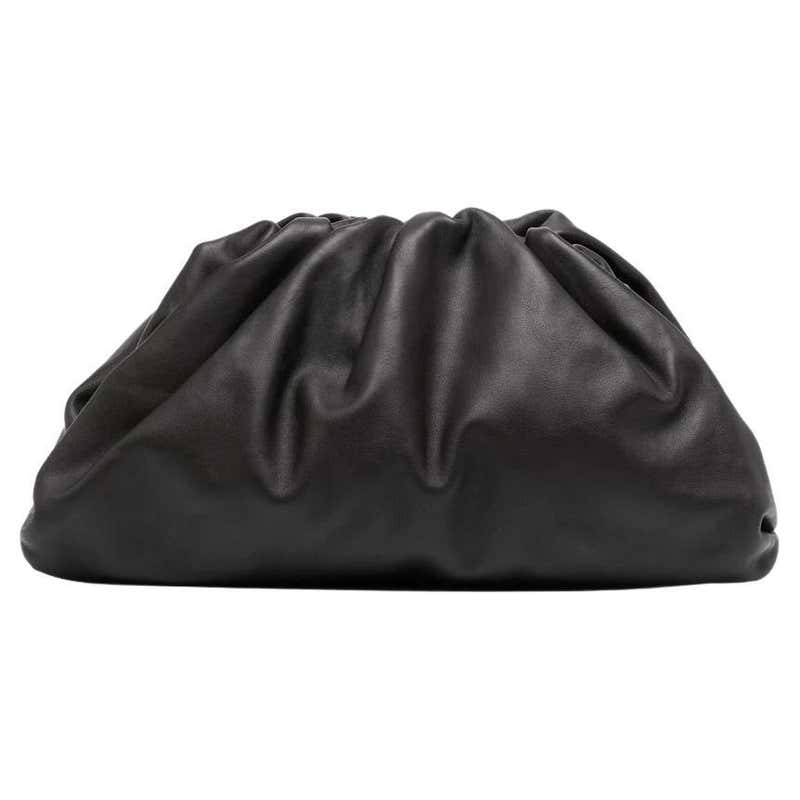
The Bottega Veneta Pouch: Frameless Volumetric Slouch and the Architecture of Minimalist Enclosure
Introduced in the Spring/Summer 2019 collection as the debut accessory designed by Daniel Lee for Bottega Veneta, The Pouch represents a monumental, paradigm-shifting departure from the structured, hard-cased handbags that had dominated the preceding decade, introducing a radical aesthetic centered on amorphous volume, tactile luxury, and logoless obscurity. The structural blueprint of The Pouch completely rejects external corners, rigid baseboards, protective metal feet, or visible shoulder suspension points. Instead, it is constructed as an oversized, cloud-like organic volume of exceptionally soft, buttery-fine vitello nappa leather that is meticulously gathered and draped by hand around an internal, heavy-duty magnetic steel hinged frame. This magnetic closure mechanism provides an intense, spring-loaded tension that snaps the leather lips securely shut with a distinctive acoustic resonance, entirely eliminating the need for traditional industrial metal zippers or prominent metallic buckles. The technical mastery of this design resides in the gathering pattern: the leather must be folded at precise intervals to create soft, cascading parallel ridges that completely conceal the metal armature beneath, giving the illusion of a pure, unconfigured leather cloud. Critically analyzed, The Pouch is celebrated for liberating luxury design from the shackles of hyper-functional compartmentalization, successfully prioritizing raw material expression and sculptural form. However, an objective ergonomic evaluation reveals severe functional compromises: the complete lack of an external top handle or an integrated leather shoulder strap forces the user to carry the voluminous vessel under the arm or in the palm of the hand, which completely immobilizes one arm during transit, illustrating a design philosophy where avant-garde visual minimalism deliberately overrides basic fluid physical utility.
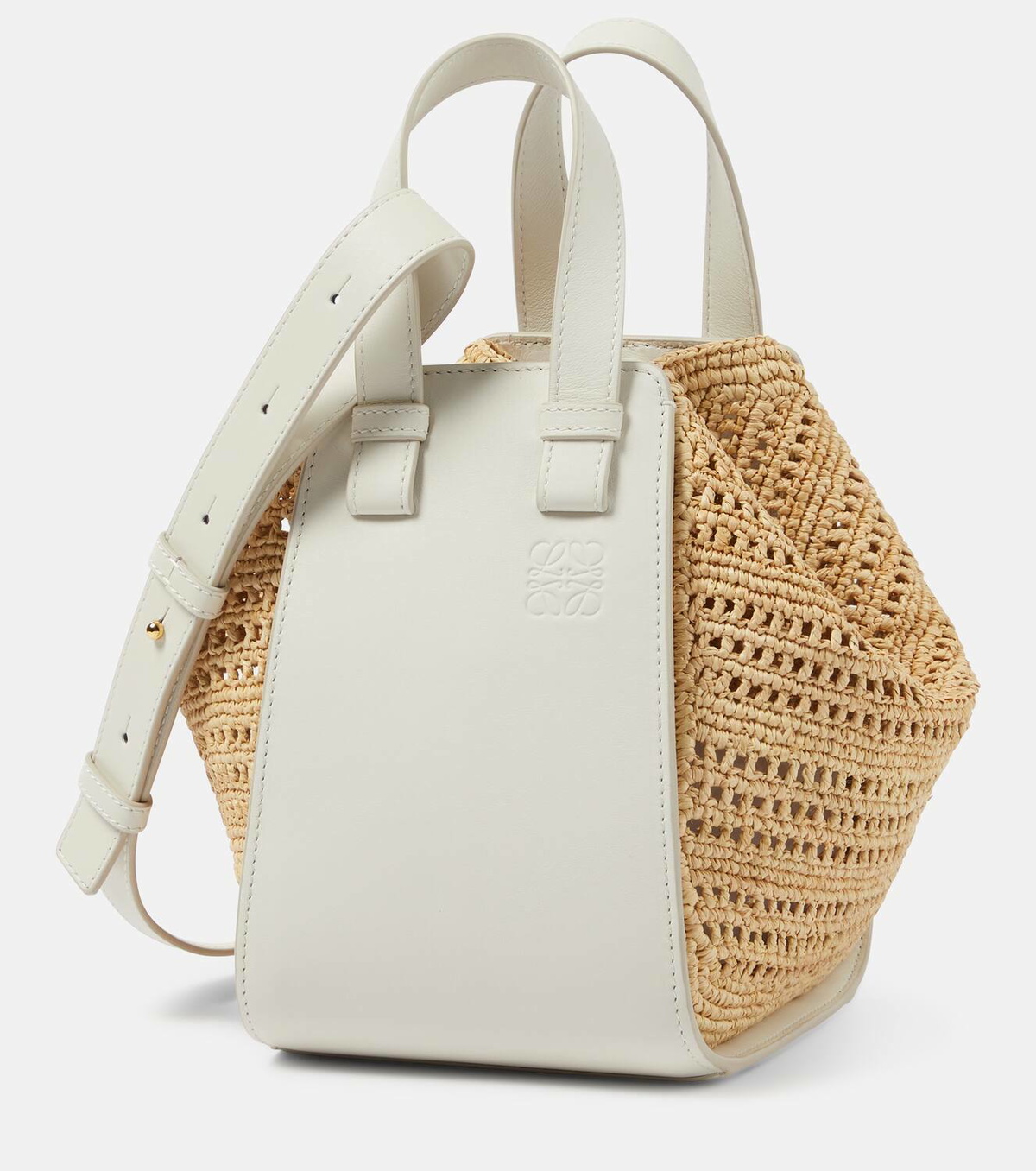
The Loewe Hammock: Kinetic Origami and Mutating Volumetric Polymorphism
The structural architecture of the Loewe Hammock bag, introduced in 2016 under Jonathan Anderson’s creative stewardship, stands as one of the most complex, intellectually challenging exercises in variable volumetric expansion and spatial re-engineering in the history of luxury leather goods. Heavily inspired by the loose, flexible suspension curves of a traditional cloth hammock combined with the rigid structural lines of industrial field satchels, the bag is engineered to constantly mutate its silhouette, volume, and functionality based on a sequence of manual structural folding sequences. The primary technical blueprint utilizes a unique combination of parallel zipped side panels, expandable interior lateral leather gussets, and rigid vertical reinforcement panels crafted from premium classic calfskin or soft grained leathers. By unzipping the external tracks or releasing the centralized internal hook closure, the user can transition the bag from a narrow, hyper-structured rectangular day tote into an expansive, wide-winged trapezoidal hobo bag, or a compact shoulder bucket pouch. The top handles are anchored via a unique rotating hardware pin system that permits the straps to lay flat when the bag expands outward, preventing mechanical interference with the adjustable, detachable crossbody shoulder strap. From an industrial engineering perspective, the Hammock is a triumph of multi-functional product taxonomy, offering unparalleled adaptive storage capacity within a single artistic artifact. However, a product design review points out that this extreme polymorphism creates an exceptionally high cognitive load for the user; the complex rearrangement of zippers, hooks, and overlapping leather panels requires a deliberate, multi-step manual process that lacks the rapid, single-handed accessibility demanded by modern fast-paced urban transit.

The Telfar Shopping Bag: Vegan Monofilament Engineering and the Semiotics of Post-Luxury Inclusivity
The rise of the Telfar Shopping Bag—affectionately dubbed the 'Bushwick Birkin'—represents one of the most culturally disruptive and sociologically significant chapters in twenty-first-century fashion history, completely dismantling the traditional luxury matrix of extreme pricing scarcity and elitist leather sourcing in favor of mass accessibility and identity-driven cultural capital. Originally launched in 2014 by designer Telfar Clemens, the structural outline of the bag is modeled directly after a standard, mundane paper grocery shopping bag, featuring an absolute minimalism of form characterized by flat rectangular panels, dual integrated top handles, and dual long shoulder straps. The technological innovation of the Telfar bag lies in its complete rejection of animal hides in favor of high-grade synthetic faux-leather engineered from polyurethane (PU) coated over a non-woven polyester microfiber matrix. This material selection results in an incredibly lightweight, completely water-impervious, and highly uniform exterior surface that is perfectly suited for mass-industrial stamping, featuring a large, embossed circular Telfar logo on the center front panel. The interior is lined with a durable, synthetic polyester twill fabric containing a single flat zippered pocket. Critically analyzed from a design semiotics perspective, the Telfar bag achieves supreme luxury status not through artisanal hand-stitching or material rarity, but through its radical democratic ethos: it is priced accessibly and distributed via anti-bot lottery systems, making it a profound symbol of community solidarity and progressive urban identity. However, an objective industrial material analysis reveals that unlike genuine top-grain leathers that develop an attractive aged patina, the polyurethane composite textile cannot be conditioned or repaired; once the outer synthetic layer suffers scuffing or edge cracking from heavy use, the underlying fiber matrix becomes exposed, leading to rapid, irreversible physical degradation.
The Givenchy Horizon: Symmetrical Band Geometry and the Minimalist Architectural Bandage
The introduction of the Givenchy Horizon bag in the Fall/Winter 2016 collection under Riccardo Tisci serves as a sophisticated masterclass in strict orthogonal geometry, brutalist architectural minimalism, and the integration of wide-band structural bondage elements into mainstream high-end luxury leather design. The primary silhouette of the Horizon is an unyielding, hard-sided boxy tote featuring perfectly parallel vertical vectors and a clean, wide horizontal leather band wrapped completely around the upper perimeter of the bag’s throat like a rigid stabilizing bandage. This structural band is secured at the back via two massive tonal metal rivets and features a clean slip-through tab opening at the front, creating a dramatic, geometric layering effect that plays with shadows and flat graphic shapes. The construction methodology requires the use of high-grade smooth box calfskin or grained matte leather wrapped over a hyper-rigid, molded internal resin-and-fiberboard skeletal frame. This extreme internal reinforcement ensures that the bag maintains its crisp, monolithic architectural profile even when subjected to substantial internal cargo displacement. The interior is lined with matching fine leather and is divided into a rationalized dual-compartment layout separated by a central zippered wall panel. From an industrial design perspective, the Horizon is highly celebrated for its clean graphical purity, its commanding executive presence, and its complete elimination of unnecessary external hardware or dangling charms. However, a functional utility assessment demonstrates that the hyper-rigid, unyielding nature of both the exterior leather shell and the thick horizontal perimeter band severely restricts the natural flexibility of the bag’s opening, making the insertion and extraction of wider, non-flat personal objects exceptionally difficult, emphasizing a design matrix where structural architectural discipline overrides fluid everyday accessibility.
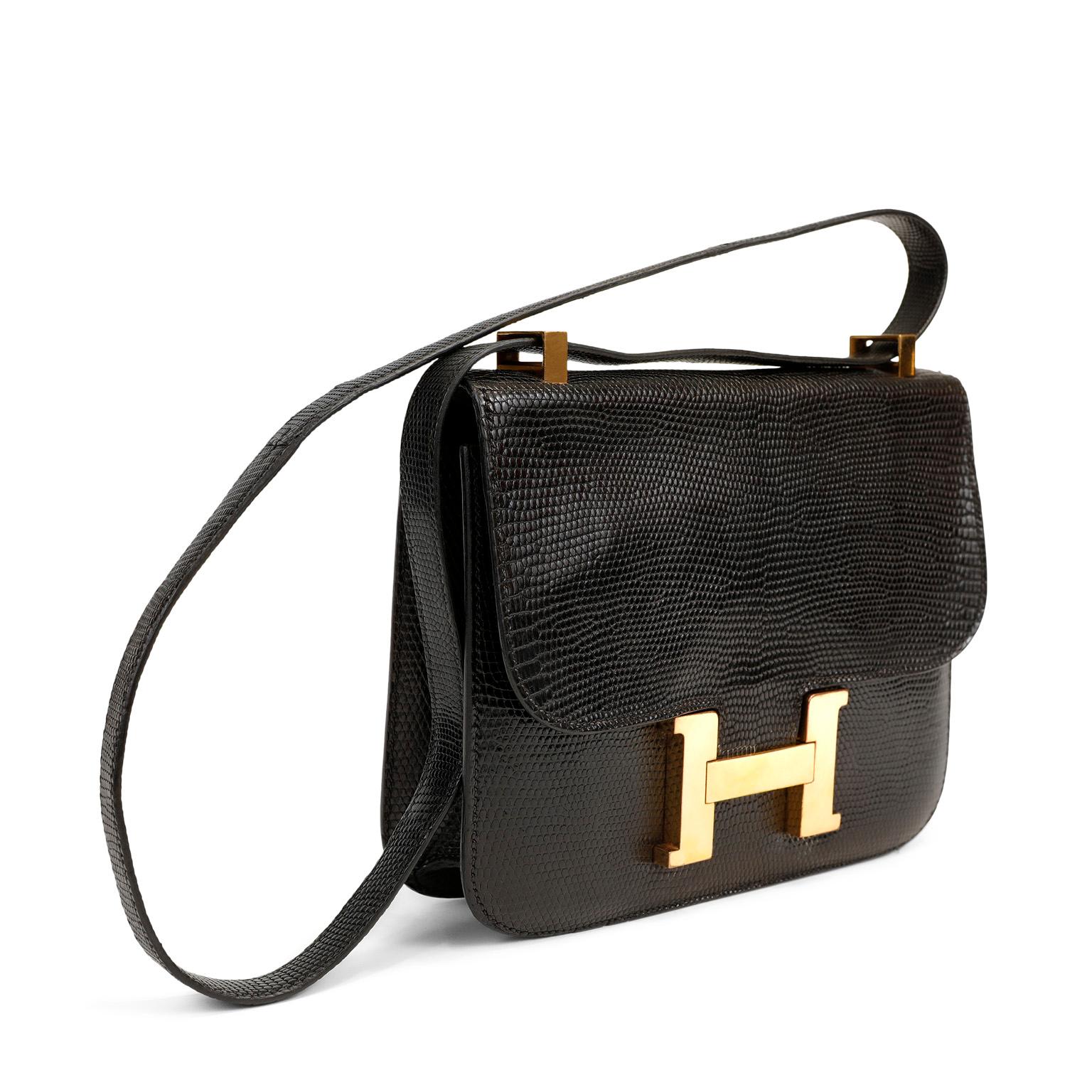
The Hermès Constance: Architectural Proportions and the Mechanics of the Monolithic H-Clasp
Designed in 1969 by Catherine Chaillet and named after her fifth child, the Hermès Constance stands as a monumental exercise in structural architectural alignment, spatial geometry, and the intentional integration of a brand monogram as a functional hardware chassis. The visual blueprint of the Constance relies on a distinct softened square silhouette, but its primary engineering achievement is the massive, central gilded or palladium-plated brass 'H' clasp that dictates the entire physical operation of the vessel. The mechanical functionality of this monolithic closure system is highly deliberate: the horizontal bar of the 'H' acts as a spring-loaded pressure release lift, securing the long front leather flap by snapping over a dual-notched internal catch. The construction of the Constance requires a complex, multi-layered structural layout known as the 'double flap pouch' assembly, where two independent internal compartments are skived, lined with premium lambskin, and then stitched to an outer shell of rigid Box calfskin or highly resilient Epsom leather. The edges of the bag undergo a rigorous manual sealing process involving up to six successive applications of organic edge dye and beeswax polishing (bichonnage) to create a flawless, glass-like protective border against moisture ingress. The suspension architecture features a continuous leather shoulder strap that slides through two parallel metal loops integrated into the upper structural spine, allowing the bag to transition seamlessly from a long single crossbody drop to a shortened double-loop shoulder orientation. From an industrial design perspective, the Constance is celebrated for its geometric purity and flawless load balancing. However, a structural maintenance analysis demonstrates that the large, flat metallic surfaces of the prominent 'H' clasp are exceptionally vulnerable to micro-scratching, hairline abrasions, and impact denting from everyday contact, presenting an inherent tension between its bold, graphic aesthetic and the practicalities of unshielded environmental wear.

The Louis Vuitton Capucines: Neoclassical Structural Geometry and the Dual-Flap Semiotic Interlocking
Introduced in 2013 as a tribute to Rue des Capucines, the Parisian street where Louis Vuitton opened his foundational workshop in 1854, the Capucines bag represents a highly calculated, premium shift in the house’s material identity, moving away from coated canvas monograms toward elite, unstructured-yet-rigid leather structural engineering. The architectural armature of the Capucines is characterized by a sleek, trapezoidal silhouette built from full-grain Taurillon leather, a material selected for its unique combination of deep, natural pebbled texture and substantial structural thickness. The primary design innovation of the Capucines is its dual-position functional front flap, which serves as a variable semiotic switching device: when worn externally, the leather flap reveals a subtle, top-stitched four-petal monogram flower outline; when tucked completely inside the front bay of the bag, it exposes a massive, architectural three-dimensional 'LV' initials hardware enclosure carved from solid brass and wrapped in matching Taurillon leather skins. The structural integrity of the upper perimeter is maintained by a rigid internal collar ring that prevents the leather mouth from sagging or warping under the weight of the rolled top handle. This handle is attached via two heavy, jewelry-inspired metal rings that are securely riveted through the internal reinforcement plates of the rear panel. Critically analyzed, the Capucines is highly praised for its neoclassical symmetry, clean lines, and exceptional artisanal edge-stitching. However, an objective ergonomic assessment reveals that the integration of thick, multi-layered full-grain leather panels combined with dense internal structural fiberboard inserts and heavy solid brass hardware components results in an exceptionally high unladen weight before any personal cargo is introduced, making it an artifact that prioritizes imposing executive presence over lightweight kinetic mobility.
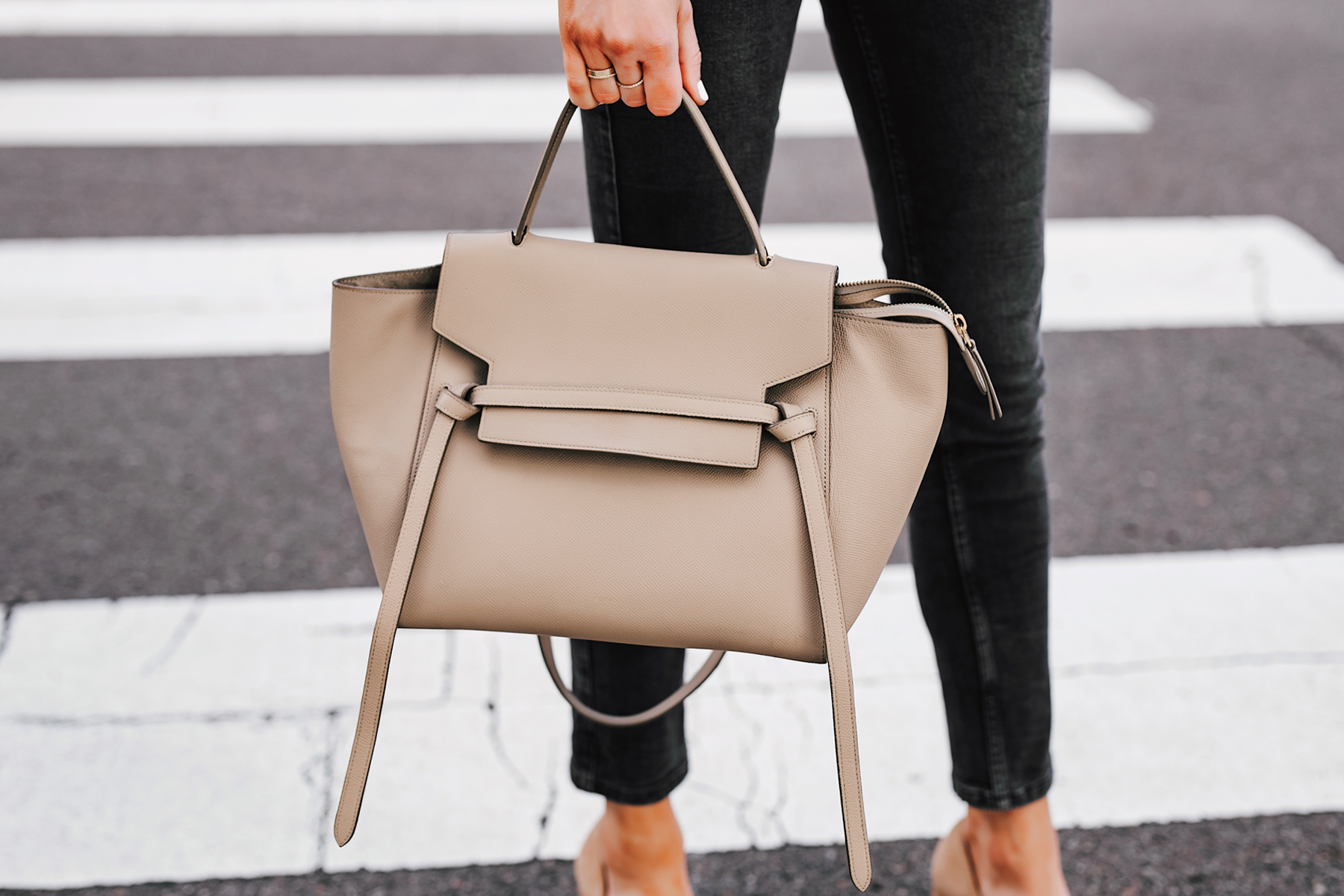
The Celine Belt Bag: Asymmetric Knot Topology and the Mechanics of the Hidden Zip Satchel
The debut of the Celine Belt Bag in 2014 during the influential neo-minimalist era directed by Phoebe Philo represents a sophisticated, intellectual exploration of visual asymmetry, relaxed tailoring aesthetics, and hidden utilitarian functionality within the high-end satchel segment. The defining visual marker of the Belt Bag is a long, continuous horizontal leather strap knotted at both ends across the front panel, creating a casual, draped silhouette that mimics the appearance of a loosely fastened trench coat belt. This structural knot topology is purely decorative, serving to soften the rigid, geometric lines of the trapezoidal body beneath. The actual physical enclosure mechanism is a highly engineered, multi-layered layout hidden completely beneath a clean top flap: the main cavity is secured by a heavy-gauge industrial zipper track, which is further protected by a metallic hook closure that clips the flap firmly to the front leather band. The construction utilizes high-grade grained calfskin leather featuring a dense, scratch-resistant micro-texture, lined entirely with premium split calfskin suede that provides high internal friction to keep stored objects from sliding during transit. The bag features a wide, flat rear zippered pocket and a single, rigid top handle mounted symmetrically on the upper flap spine to ensure uniform gravity distribution. From a product design standpoint, the Belt Bag is celebrated for its successful blending of relaxed, fluid organic lines with a highly secure, non-exposed interior compartment taxonomy. However, critics note that the dual-closure system—requiring the user to unhook the metallic front flap fastener and then unzip the dense horizontal track—creates a high physical friction index for accessing everyday items quickly, presenting an ergonomic trade-off where clean, stream-lined aesthetic concealment compromises rapid single-handed utility.
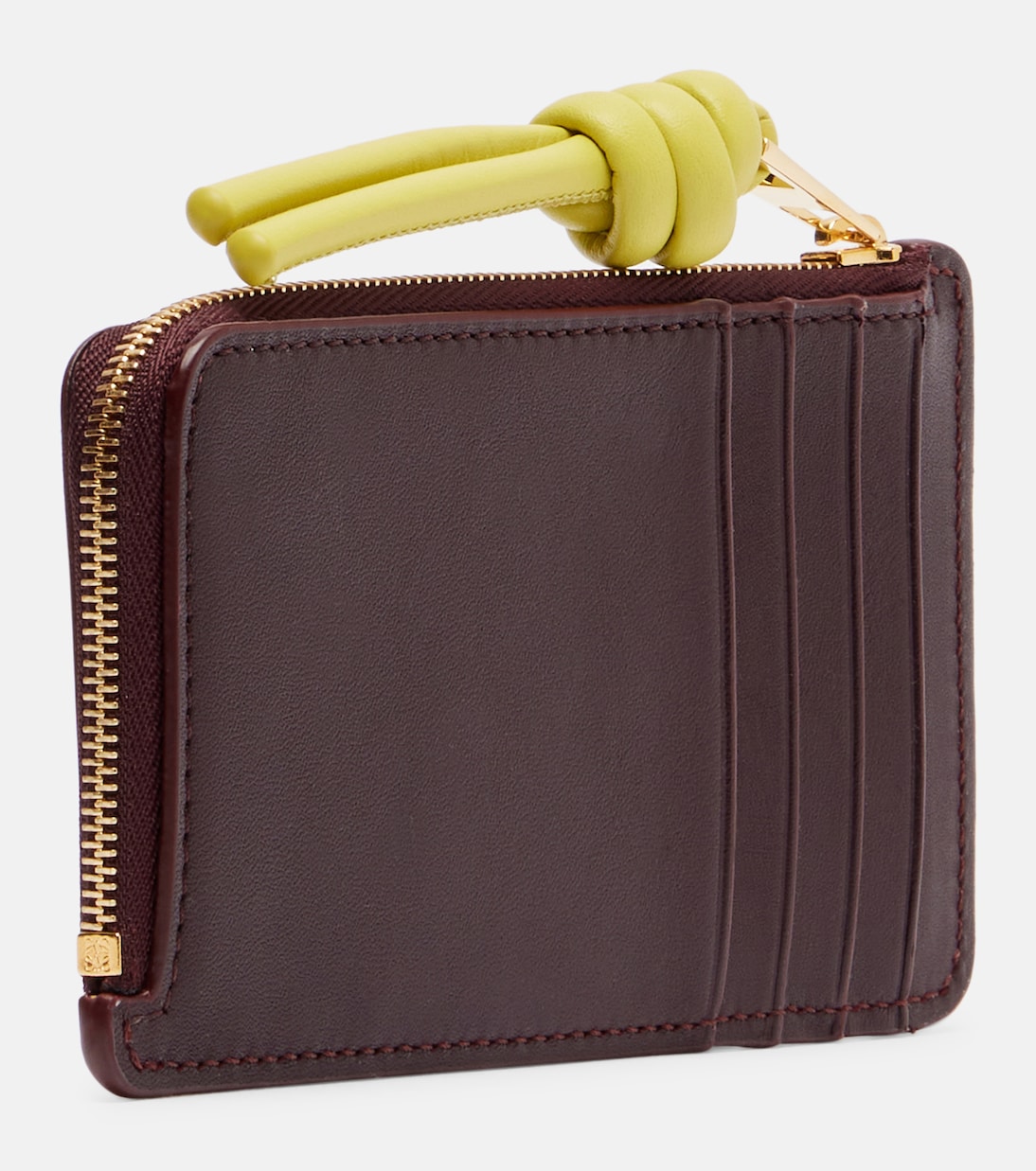
The Loewe Gate: Equestrian Saddle Re-Engineering and the Functional Leather-Knot Tension Girdle
Introduced for the Spring/Summer 2018 collection by Jonathan Anderson, the Loewe Gate bag stands as a masterclass in modern equestrian saddle-bag re-engineering, structural ingenuity, and the substitution of metal hardware closures with pure material tension systems. Named after a prominent metallic side pin latch that pierces the upper left lateral hinge, the bag’s structural profile is defined by a deeply curved, semi-rigid crescent base constructed from premium soft-grained calfskin or smooth box leathers. The primary design innovation and mechanical linchpin of the Gate bag is the wide leather strap that wraps horizontally across the front flap, terminating in a complex, hand-tied structural knot. This leather girdle is not merely ornamental; it serves as the bag's actual mechanical closure system, generating precise surface tension that holds the front flap securely flat against the body without the weight or aesthetic distraction of magnetic snaps, metal turnlocks, or zipper lines. To access the raw leather-lined interior cavity, the user must slide the front flap vertically out from underneath the knotted leather tension belt. The structural articulation of the Gate is further enhanced by an internal divided timeline featuring a dual-compartment layout and a specialized rear slip pocket for flat documents. From an industrial design perspective, the Gate bag is highly celebrated for its brilliant organic architecture and its reliance on primitive leathercraft physics over mechanized closures. However, an objective material analysis indicates that because the front flap must be continuously slid underneath the tightly bound horizontal leather knot, the contact surfaces are highly susceptible to friction-induced color transfer, superficial scuffing, and accelerated leather burnishing over extended operational cycles, showing how organic tension systems demand high-maintenance material awareness.
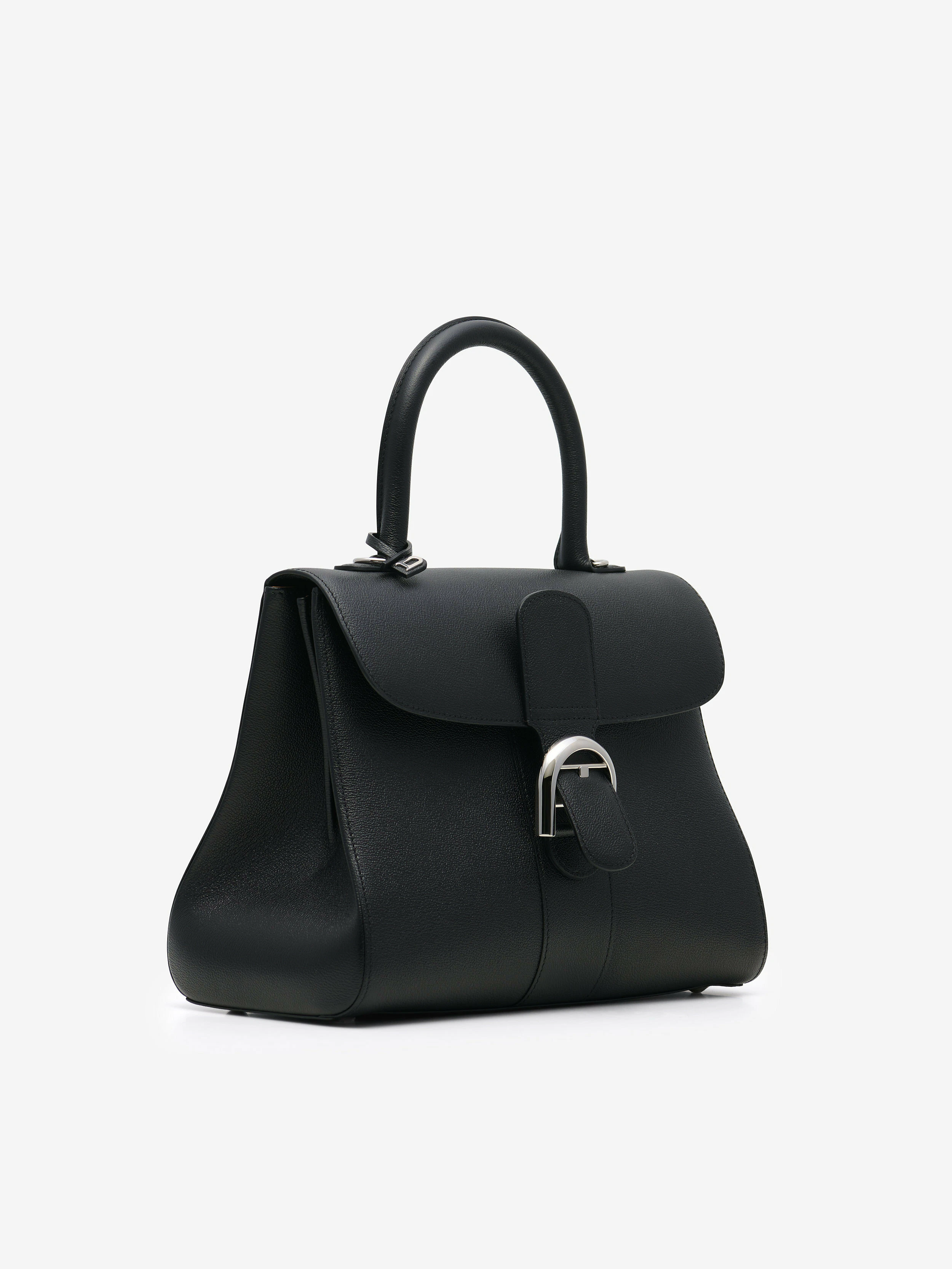
The Delvaux Brillant: Surrealist Geometry and the Architectural Trapeze Assembly
Commissioned in 1958 for the Brussels World Fair (Expo 58) and designed by renowned architect Paule Goethals, the Delvaux Brillant stands as one of the oldest, most complex, and structurally demanding masterpieces of high-end leather architecture in the global luxury landscape. Heavily influenced by the soaring, radical modernist structures of mid-century architecture and the underlying spirit of Belgian surrealism, the Brillant is characterized by its dramatic, flared trapeze silhouette constructed from exactly sixty-four separate, pre-shaped pieces of high-density box calfskin or premium vegetal-tanned leathers. The structural core of the bag is an unyielding, hard-sided box framework that utilizes double-reinforced internal fiberboard panels to prevent any structural bowing or collapsing over decades of use. The defining visual and mechanical signature of the Brillant is its oversized, horseshoe-shaped central buckle, which loops through a thick vertical leather tongue on the front flap. This buckle is cast from solid brass and operates as a highly traditional, non-magnetic prong closure that requires a precise, physical manual threading sequence to secure the vessel. The technical execution of the top handle is a legendary feat of craftsmanship; it features an intensely curved, multi-layered leather arc that is skived, stitched, and painted entirely by hand to achieve an ergonomic grip capable of enduring significant vertical load stresses without deformation. Critically analyzed, the Delvaux Brillant is a triumph of pure sculptural discipline and historical engineering permanence. However, an industrial utility assessment notes that the rigid, unyielding nature of the boxy trapeze base combined with a slow, mechanical prong buckle closure renders it poorly adapted to the fluid, rapid-access demands of contemporary digital lifestyles, remaining instead a monumental artifact of slow-paced, mid-century formal luxury.

The Bottega Veneta Jodie: Seamless Intrecciato Knot Topology and Structural Fluidity
Introduced during Daniel Lee's transformative creative directorship at Bottega Veneta and named after actress Jodie Foster—who famously used a large Bottega tote to shield herself from photographers—The Jodie bag represents a brilliant modern evolution of the house's historic slouchy hobo silhouette. The defining architectural and technical achievement of The Jodie is the seamless integration of a heavy, asymmetric structural knot directly into the upper shoulder strap line. This design choices alters the traditional balance of the bag, introducing a bold, organic focal point that completely replaces traditional metallic hardware anchors or D-rings. The entire body of the vessel is constructed utilizing an optimized variation of the signature Intrecciato weave, where strips of ultra-supple vitello nappa leather are woven by hand over an internal, flexible leather lining matrix. This fabric-free, pure-leather construction allows the bag to possess an incredibly fluid, continuous curvature that effortlessly expands or collapses based on internal cargo weight and the movement of the human body during transit. The main compartment is accessed via a heavy-gauge, high-polished metallic zipper track hidden beneath a protective leather plait fold, ensuring that the sleek, continuous outline of the weave remains visually uncompromised. From an industrial design perspective, The Jodie is celebrated for transforming a traditional structural weak point—the handle attachment—into its primary visual signature, achieving a masterful balance of artisanal heritage and contemporary organic minimalism. However, an objective utility critique notes that the dense, overlapping layers of leather strips within the integrated knot add significant localized weight to the shoulder drop, and the small-scale iterations of the bag feature a highly restricted zipper opening width that severely limits the ergonomic entry and extraction of long rectangular personal items like smartphones and modern travel documents.

The Mulberry Bayswater: British Heritage Utilitarianism and the Mechanics of the Postman's Lock
Launched in 2003 and designed by Nicholas Knightly, the Mulberry Bayswater stands as a definitive monument to classical British heritage design, rural utilitarian leatherwork, and the institutionalization of the mid-century doctor’s bag within contemporary urban professional lifestyle culture. The structural architecture of the Bayswater is anchored by an uncompromisingly solid, boxy rectangular chassis constructed from exceptionally thick, heavy-grain vegetable-tanned Darwin leather or natural grain calfskin. This material undergoes a specialized drum-tanning process that allows the hide to retain its natural characteristics, causing the bag to develop a rich, deeply personal burnished patina and increased material pliability through years of environmental exposure. The defining operational and visual centerpiece of the vessel is the iconic 'Postman's Lock' closure mechanism positioned on the central front flap. This solid brass hardware component operates via a heavy rectangular turnlock bar that must be rotated exactly ninety degrees to realign with a matching slot plate, offering a satisfying mechanical feedback that evokes nineteenth-century industrial lock-boxes. The internal architecture features an unlined, raw suede finish equipped with adjustable interior side belt straps that allow the user to expand or compress the lateral gussets, altering the bag's profile from a sleek corporate briefcase to a spacious travel satchel. Critically analyzed, the Bayswater is highly praised for its generational durability and its honest, non-synthetic celebration of heavy-duty leathercraft. However, an objective physical evaluation highlights that the immense thickness of the unskived leather panels combined with a massive interior suede lining and heavy internal structural baseboards results in an exceptionally high unladen baseline weight, which can impose significant physical fatigue on the user during extended walking commutes, highlighting a design where structural endurance takes clear precedence over lightweight ergonomics.
The Longchamp Le Pliage: Industrial Polyamide Engineering and the Origami Travel Paradox
The structural inception of the Longchamp Le Pliage in 1993, conceptualized by Philippe Cassegrain, represents one of the most commercially successful and engineering-focused triumphs in the history of global accessory design, demonstrating how a purely synthetic industrial textile could achieve democratic luxury status across all socioeconomic strata. Heavily inspired by the ancient Japanese art of origami, the primary architectural achievement of Le Pliage is its capability to fold down from an expansive, high-volume trapeze travel tote into a compact, flat rectangular packet approximately the size of a paperback notebook. The technological core of the vessel is its body canvas—an incredibly lightweight, high-density woven polyamide (nylon) textile treated with an internal water-impervious PVC coating that provides extreme tensile strength, high resistance to abrasion, and absolute flexibility under multi-directional stress. This synthetic matrix is structurally contrasted by a rigid front flap and dual tubular top handles crafted from premium, heavy Russian leather embossed with a distinctive cross-hatch grain. The physical transformation sequence is governed by a singular metal snap button mounted on the leather flap, which securely fastens the completely rolled nylon body into a stable, compressed package. From a product design standpoint, Le Pliage is universally celebrated for its near-zero unladen baseline weight, unmatched volumetric efficiency, and flawless industrial democratization. However, an objective material wear critique notes that because the nylon canvas undergoes continuous high-pressure creasing along fixed folding lines, the sharp base corners are subjected to extreme mechanical friction during daily operation, leading to accelerated thinning, puncture vulnerability, and coating delamination over extended timelines, highlighting a structural trade-off between flexible origami convenience and structural corner permanence.
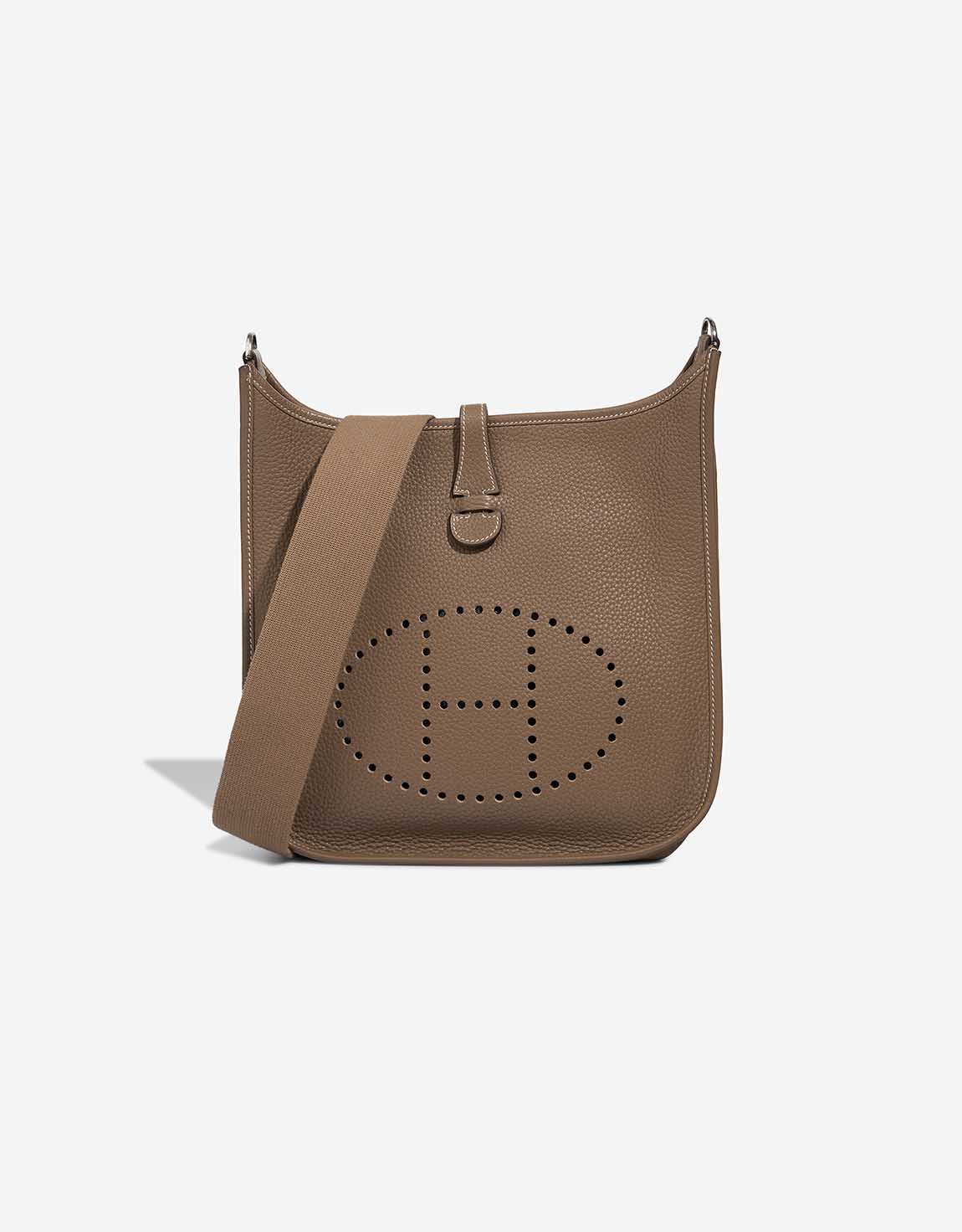
The Hermès Evelyne: Equestrian Ventilation Technology and the Semiotic Inversion of Luxury
Originally conceived in 1978 by Évelyne Bertrand, the head of the Hermès equestrian department, the Evelyne bag serves as a brilliant, highly subversive case study in how a purely utilitarian, livestock-grooming accessory was progressively transformed into a premier icon of modern urban hands-free luxury. The original design blueprint of the Evelyne was explicitly engineered to serve as a practical carrying pouch for horse grooming tools, such as currycombs, brushes, and scrapers. The defining technical characteristic of the vessel is the massive, perforated 'H' initial logo consisting of exactly sixty-three perfectly laser-cut or punched circular holes configured across the front panel. This element was not originally designed for brand signaling; rather, it was engineered as a critical ventilation matrix intended to face inward against the groom's body, allowing air to circulate freely through the bag to dry wet horse brushes and prevent fungal growth or leather rot within the interior cavity. The construction methodology relies on an unlined, single-layer pouch structure cut from heavy-duty, highly resilient Clemence or Maurice taurillon leather, which provides exceptional flexibility and scratch resistance. The bag completely eschews rigid internal frames, zippers, or traditional hardware closures, utilizing instead a simple leather tab secured by a solid brass press-stud button. From an industrial and sociological perspective, the Evelyne represents an extraordinary semiotic inversion; contemporary fashion culture has rotated the bag one hundred and eighty degrees, wearing the functional ventilation holes facing outward as a prominent brand indicator. However, an objective utility assessment notes that the unlined, single-chamber layout lacks any internal organizational taxonomy, and the large perforation holes expose the interior cavity to environmental dust and rain if objects are not placed within secondary internal organizers, illustrating a clear tension between industrial agricultural heritage and modern urban containment demands.
The Balenciaga Neo Classic: Techno-Gothic Re-Engineering and the Modernization of the City Silhouette
Introduced for the Fall/Winter 2020 collection by Demna Gvasalia to mark the twentieth anniversary of the iconic original Motorcycle bag, the Balenciaga Neo Classic represents a profound, highly technical exercise in techno-gothic re-engineering, structural sharpening, and the modernization of a slouchy Y2K cultural icon. While the original 2001 City bag was celebrated for its absolute lack of internal structure and its fluid, melting lambskin profile, the Neo Classic completely transforms this genetic blueprint by enforcing a hyper-rigid, trapezoidal architectural framework characterized by sharp, mathematically precise vectors and defined geometric corners. The construction utilizes an exceptionally dense, vegetable-tanned Arena calfskin or embossed crocodile-grain leather that has been heat-pressed to achieve high structural persistence, ensuring that the bag retains its dramatic, upward-flared silhouette even when completely empty. Despite this structural stiffening, the bag retains the classic visual vocabulary of its predecessor: the signature front zipper pocket, the flat-headed metallic rivets, and the iconic hand-braided whipstitched top handles. However, the technical execution of these elements has been streamlined; the long, fluid leather tassels have been replaced with clean, thick, structured leather pull tabs that slash across the face of the bag like industrial graphics. The interior is lined with technical bonded neoprene or smooth nappa leather, featuring a highly rationalized layout with dedicated slots for contemporary digital smartphones. Critically analyzed, the Neo Classic is a triumph of postmodern redesign, demonstrating how an iconic, unstructured form can be translated into a rigid architectural matrix for the modern era. However, an objective ergonomic review emphasizes that the newly enforced rigidity of the leather shell combined with the tight, curved zipper track significantly reduces the pliability of the top opening, making the insertion of rigid, wide-format everyday cargo a highly friction-intensive manual task compared to the effortless expansion of the original slouchy model.
The Prada Cahier: Bibliophilic Architecture and the Mechanics of Renaissance Metal Bindings
Introduced in the Fall/Winter 2016 collection by Miuccia Prada, the Prada Cahier bag represents a highly cerebral, historical narrative translation that bridges the gap between luxury leather goods and ancient bibliophilic architecture. Modeled directly after the structural silhouette of rare, antique Renaissance manuscripts and leather-bound journals, the Cahier relies on a complex interplay of rigid leather framing and heavy protective metal hardware components. The core armature is a boxy, compact rectangular structure constructed from premium Saffiano leather or smooth City Calfskin. The defining technical and visual innovation is the extensive deployment of aged, antiqued brass corner guards and a prominent frontal metal loop closure system. These protective brass corners are not merely decorative elements; they reference the historical binding techniques used to shield valuable parchment pages from physical abrasion and environmental degradation. The mechanism of the closure features a heavy vertical metal bar that slides smoothly through a reinforced horizontal leather band, a tactile operational sequence that deliberately slows down the act of opening the bag to evoke the protective sanctity of a secret diary. The interior layout features a highly compressed, dual-compartment taxonomy lined with fine nappa leather, optimized for small personal items. From a design theory perspective, the Cahier is celebrated for its narrative depth and its ability to treat a modern handbag as an intellectual historical artifact. However, an objective engineering assessment reveals that the dense accumulation of solid brass protective plates along the base and upper corners introduces a high concentration of localized unladen weight, making the small vessel surprisingly heavy before any cargo is introduced, illustrating a design philosophy where historical narrative symbolism takes precedence over lightweight physical portability.

The Hermès Picotin Lock: Equestrian Feed-Bucket Geometry and Minimalist Material Essentialism
The structural lineage of the Hermès Picotin Lock, introduced in 2002, offers a profound masterclass in architectural minimalism, economic pattern cutting, and the direct translation of pragmatic agricultural utility into high-end material culture. The morphological design of the Picotin is directly derived from a horse's feeding bucket, historically engineered to be clipped onto an equine harness to allow for the localized consumption of oats and grain. Bypassing the complex, multi-layered internal support panels, stiff resin frames, and textile linings utilized by traditional luxury satchels, the Picotin relies on an unlined, single-layer pouch construction cut entirely from thick, heavy-grain Clemence or Maurice taurillon leather. This specific material selection is crucial, as the leather must possess a high baseline thickness to maintain a semi-stable vertical posture while remaining flexible enough to collapse organically when lifted by its integrated double handles. The technical assembly is highly streamlined, featuring raw, edge-painted vertical seams and an unlined suede interior that showcases the reverse side of the premium hide. The sole structural reinforcement is a thick, rectangular leather foundation plate equipped with four protective metal feet (clous) that define the square bottom profile. The primary enclosure mechanism is a narrow leather strap that cinches the open throat of the bucket bag, secured under gravity by a classic, heavy metal Hermès padlock that slips through a reinforced metal slot. Critically analyzed, the Picotin is celebrated for its absolute material honesty and near-zero structural waste. However, an objective utility assessment highlights that the wide-open, non-segmented interior void offers zero organizational taxonomy or internal security compartments, rendering small personal objects highly susceptible to shifting into a chaotic layout during active transit.
The Gucci GG Marmont: Chevron Tufting Engineering and the Flap Satchel Metamorphosis
The debut of the Gucci GG Marmont series in 2016, conceptualized under Alessandro Michele's baroque creative revolution, stands as a massive commercial and structural exploration of graphic textile textures, padded relief stitching, and late-twentieth-century house monogram adaptation. The architectural foundation of the Marmont relies on a classic soft-sided flap satchel layout, but its defining technical achievement is the elaborate matelassé zig-zag chevron quilting executed across its entire exterior surface. This three-dimensional tufting process is performed via precision automated stitching matrices that layer premium, buttery-soft matelassé leather over a precise density of synthetic foam backing, creating a highly padded, wave-like topological surface that naturally diffuses incoming impact forces while reflecting light across varied tonal gradients. The rear panel features an integrated stitched heart detail, adding a subtle narrative element to the structural backing. The visual centerpiece of the vessel is an oversized, antiqued gold-toned interlocking 'GG' logo hardware clasp, an updated archival reference to a 1970s Gucci belt buckle. This hardware operates via a simple hidden magnetic closure or a spring-loaded push tab concealed beneath the front flap line. The suspension architecture combines a sliding leather shoulder guard with an extensive antiqued chain link strap, allowing for variable wear configurations from a long single-shoulder drop to a short double-loop. From an industrial perspective, the Marmont is celebrated for its excellent internal volume expansion and its highly comfortable, soft contact profile against the human torso. However, a structural longevity analysis reveals that the highly raised, soft quilted leather ridges are exceptionally vulnerable to surface abrasion, corner scuffing, and rapid foam compression over extended periods of everyday use, compromising the bag's pristine dimensional volume.
The Givenchy Voyou: Slouchy Motorcycle Deconstruction and the Mechanics of the Industrial Buckle Girdle
Introduced in the Spring/Summer 2023 collection by Matthew M. Williams, the Givenchy Voyou bag represents a definitive, contemporary exploration of Parisian casual elegance fused with raw, industrial American hardware aesthetics and biker subculture deconstruction. Breaking sharply away from the hyper-rigid, armor-like pentagonal geometry of the house’s iconic Antigona satchel, the Voyou is engineered as a totally unstructured, slouchy hobo bag that celebrates material collapse, organic drapes, and fluid movement. The primary silhouette is a relaxed V-shaped slouch constructed from premium, tumbled calfskin, tumbled metallic leathers, or heavy-washed denim textiles. The structural and operational core of the bag is governed by a series of adjustable, raw-edged leather straps that wrap around the upper corners and lateral points like an industrial buckle girdle. These straps are terminated by heavy-gauge, turnlocked metallic hardware buckles that feature a mixture of brushed silver and gold tones, allowing the user to mechanically compress or expand the bag’s upper throat line to alter its slouchy drape profile. The interior cavity is unlined or lined with simple cotton canvas, featuring a highly spacious single-chamber taxonomy equipped with one internal zip pocket. Critically analyzed, the Voyou is highly praised for its progressive, non-conformist approach to luxury luxury, offering a massive volume-to-weight ratio and exceptional ergonomic flexibility. However, an industrial design review emphasizes that because the bag possesses no internal rigid reinforcement frame or baseboard, it undergoes total structural deflation when placed unsupported on flat surfaces, making the physical manipulation of the top zipper track a two-handed, high-friction operational task when the bag is minimally loaded.
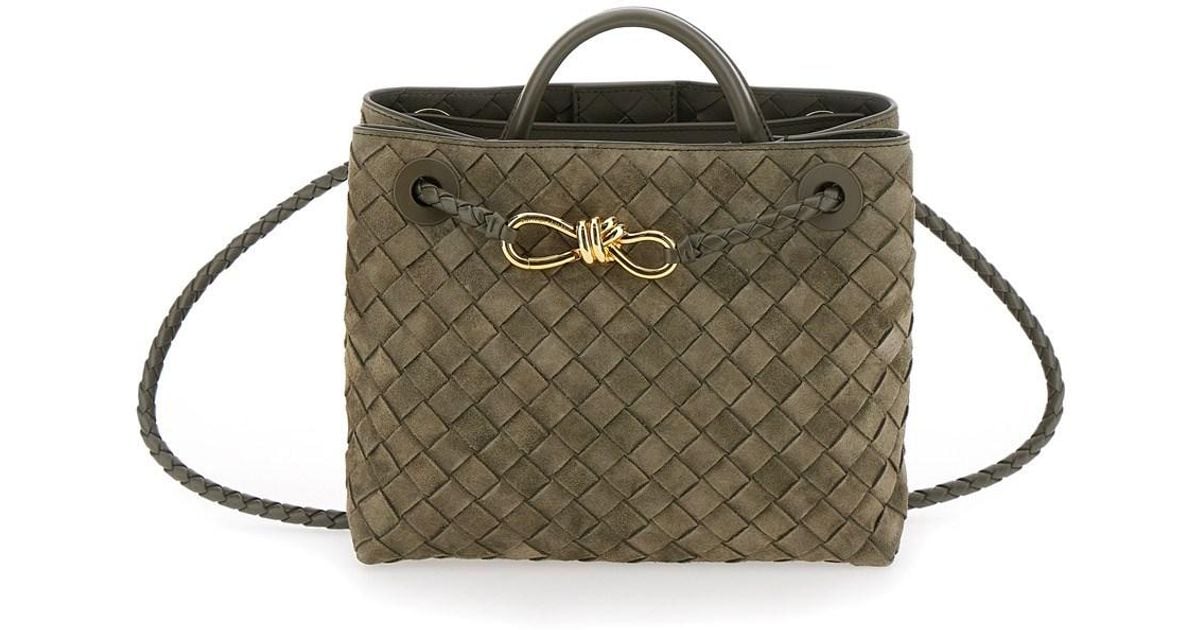
The Bottega Veneta Andiamo: Kinetic Intrecciato Trapeze and the Sliding Metal Knot Girdle
The structural debut of the Bottega Veneta Andiamo in the Spring/Summer 2023 collection, directed by Matthieu Blazy, represents a sophisticated, technical masterclass in kinetic luxury design, everyday utilitarian taxonomy, and the harmonious integration of a functional brass sliding mechanism within a traditional hand-woven leather matrix. Named after the Italian expression 'Let's go,' the Andiamo is engineered as a high-capacity, semi-structured tote bag featuring a dynamic, flared trapeze silhouette built entirely from the house’s signature Intrecciato weave. The primary technical innovation of the vessel is its sliding double-braided leather strap handle system, which is threaded through a custom-engineered, sculptural metal bow-knot buckle cast from solid brass. This internal metallic track mechanism allows the long shoulder strap to glide smoothly through the hardware node, enabling the user to instantaneously adjust the handle length from a short handheld double-drop to a long, fluid crossbody suspension line without unbuckling or detaching any components. The internal architecture features a highly organized, dual-compartment layout separated by a central zippered partition panel lined with fine contrast nappa leather, presenting an advanced taxonomy tailored for modern multi-device professional environments. From an industrial design standpoint, the Andiamo is celebrated for successfully marrying the organic, logo-free craftsmanship of hand-woven leather with highly responsive, mechanized convenience. However, an objective material wear critique notes that the continuous mechanical sliding of the braided leather strap through the tight metal aperture of the central brass knot generates significant localized friction, which can lead to rapid color degradation, fiber burnishing, and surface fraying of the fine nappa strands over extended operational timelines.