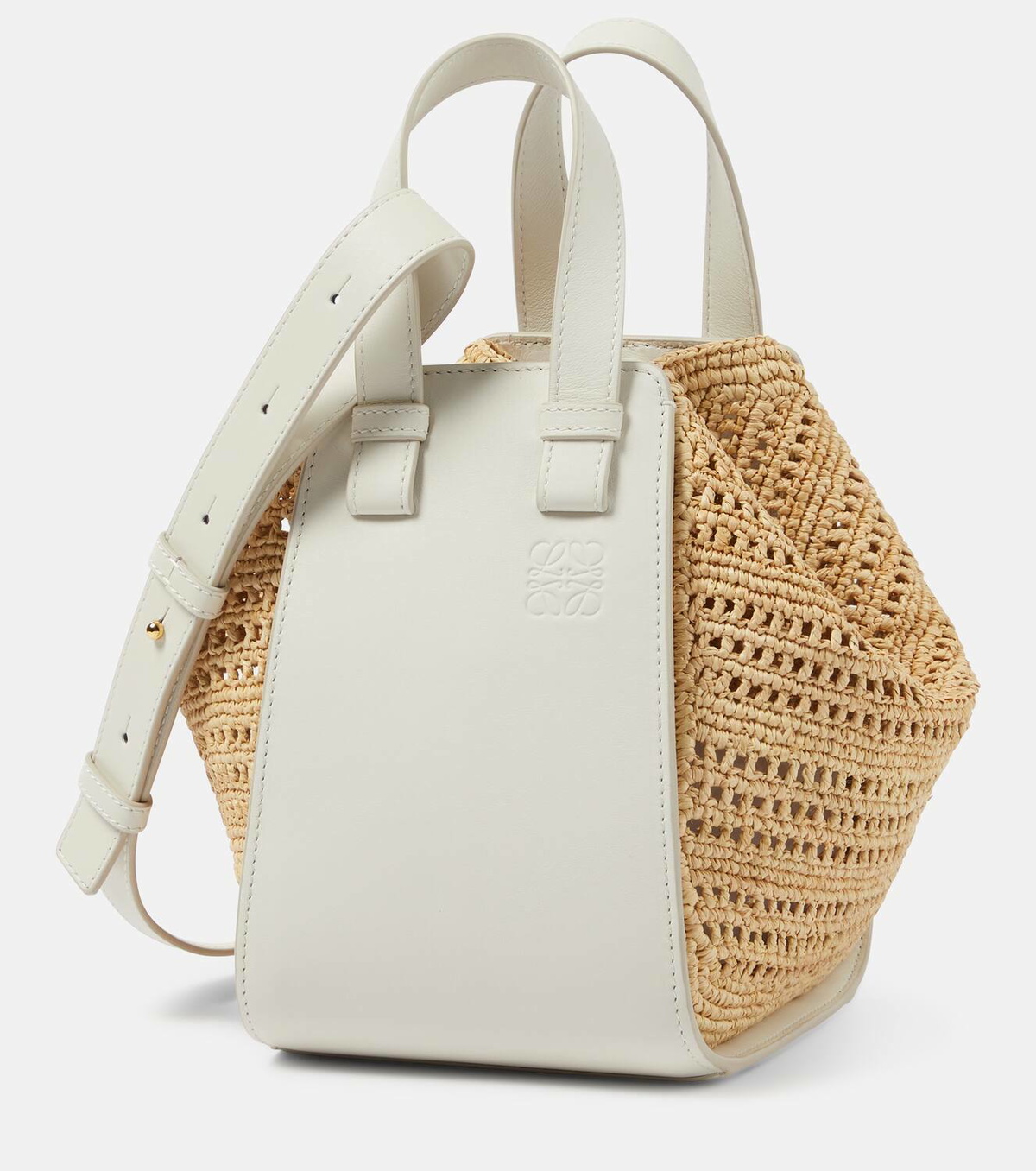
The Loewe Hammock: Kinetic Origami and Mutating Volumetric Polymorphism
The structural architecture of the Loewe Hammock bag, introduced in 2016 under Jonathan Anderson’s creative stewardship, stands as one of the most complex, intellectually challenging exercises in variable volumetric expansion and spatial re-engineering in the history of luxury leather goods. Heavily inspired by the loose, flexible suspension curves of a traditional cloth hammock combined with the rigid structural lines of industrial field satchels, the bag is engineered to constantly mutate its silhouette, volume, and functionality based on a sequence of manual structural folding sequences. The primary technical blueprint utilizes a unique combination of parallel zipped side panels, expandable interior lateral leather gussets, and rigid vertical reinforcement panels crafted from premium classic calfskin or soft grained leathers. By unzipping the external tracks or releasing the centralized internal hook closure, the user can transition the bag from a narrow, hyper-structured rectangular day tote into an expansive, wide-winged trapezoidal hobo bag, or a compact shoulder bucket pouch. The top handles are anchored via a unique rotating hardware pin system that permits the straps to lay flat when the bag expands outward, preventing mechanical interference with the adjustable, detachable crossbody shoulder strap. From an industrial engineering perspective, the Hammock is a triumph of multi-functional product taxonomy, offering unparalleled adaptive storage capacity within a single artistic artifact. However, a product design review points out that this extreme polymorphism creates an exceptionally high cognitive load for the user; the complex rearrangement of zippers, hooks, and overlapping leather panels requires a deliberate, multi-step manual process that lacks the rapid, single-handed accessibility demanded by modern fast-paced urban transit.